
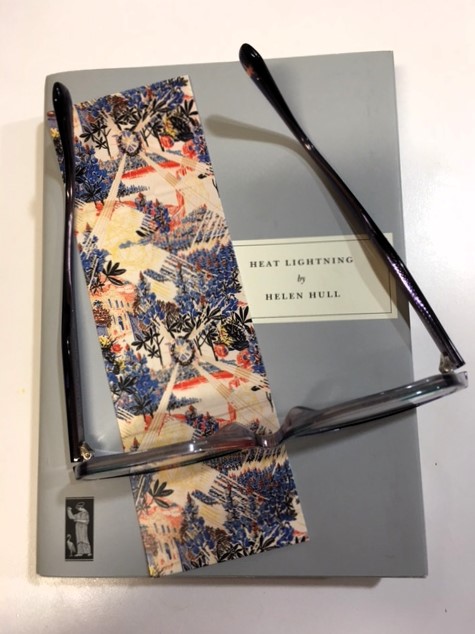
Amy travels back to her childhood home in Michigan from New York ostensibly to recover from surgery but really to think about the situation with her husband, Geoffrey. There is tension among her relatives. The Westovers are a wealthy family, but it is 1930. Her father Alfred’s farm machinery factory doesn’t have many orders, but his brother DeWitt made some bad investments and is asking him for help.
Amy’s cousin Tom is drinking too much and soon has a more serious problem. Her redoubtable grandmother is managing her fortune but is dealing with requests for help from Tom and DeWitt.
Amy watches everyone’s interactions carefully, because she is looking for some inspiration. She feels that her generation has no code for behavior and is trying to formulate its own. She doesn’t know how she feels about Geoff and is looking for guidance in her parents’ loving interactions.
Although a lot of this novel is about family interactions, some of the dinner conversations are about scientific discoveries that came earlier than I expected, for example, about entropy. On the other hand, the idea of race expressed in the novel is not scientifically based (or perhaps language is not carefully used). Amy, for example, considers the European immigrant working class characters to be of a different race than her family and friends. They’re Italians and Swedes.
A distressing topic for modern audiences is what the family should do with Curly, the mentally disabled gardener.
Overall, I found this a thoughtful and interesting look at family dynamics.

 What? Me Read?