
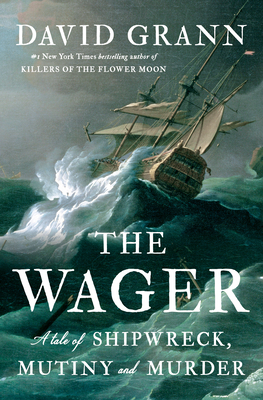
In 1740, a small fleet of ships set out from Portsmouth on a mission to try to capture Spanish ships laden with treasure in the Pacific Ocean. This poorly conceived and executed mission was part of the War of Jenkin’s Ear, essentially an excuse to try to gain wealth by pillaging Spanish ships.
Because of delays in refurbishing and equipping the ships, they left late. They were trying to round Cape Horn during the southern hemisphere’s summer, which they thought was the calmest time to venture through those dangerous waters. By the time they got to the Horn, the Wager, the smallest ship, had already experienced a bout of typhus and another of scurvy. The loss of officers to illness had given them a new leader, newly promoted Captain David Cheap. They made it around the Horn but lost contact with the other ships and then were shipwrecked.
Nearly a year after they were last sighted at the tip of South America, a few of the sailors made it back to England. Six months after that, a few more appeared, including Captain Cheap, accusing the first group of mutiny and other crimes. Two more appeared even later, accusing the first group of abandoning them on the coast of Patagonia.
Using the widely varying accounts in the journals and memoirs of some of the survivors, David Grann has attempted to reconstruct a fair account of what happened. One of these survivors was the sixteen-year-old midshipman, John Byron, who became the grandfather of the poet, Lord Byron. It’s a fascinating account, with some of the thrills of fictional naval adventure. Yet its all true.
Related Posts
Killers of the Flower Moon: The Osage Murders and the Birth of the FBI

 What? Me Read?
Sounds interesting and I enjoyed his Killers of the Flower Moon. I’ll look out for this one!
Sounds fascinating.