Review 2206: The Ten Thousand Things

I picked out The Ten Thousand Things from a list of the New York Review of Books publications for my Classics Club list without knowing anything about it. It is an unusual book, but beautiful.

It begins with an extended vivid description of an island in the Moluccas, referring along the way to the island’s stories and myths. It does this for so long that you begin to wonder where it is going, but finally it comes to the story of Felicia. Felicia spends her childhood on the island, visiting her grandmother in the Small Garden, hearing stories about objects and ghosts on the property, and examining her grandmother’s box of treasures, many of them stones with properties or unusual or valuable shells. However, eventually there is a dispute between her grandmother and her mother, so her mother insists her immediate family move to Holland. Felicia’s grandmother gives her some valuable jewelry so she can afford to come back.

She returns a young mother, her husband, who married her for money, having taken all her money and jewels and disappeared when he learned she was pregnant. She has had to take out a loan to return.

Most of the bulk of the novel is the story of her life on the island raising her son Himpies. Although this is not a novel in the magical realism genre, the island, with its tales of ghosts and monsters and its extreme beauty, seems magical. Dermoût spent her childhood on such an island and clearly loved it.

About 2/3 of the way through the novel, which is only about 200 pages long, it abruptly moves to some other characters on the island, then does it again. This is at first surprising, but Dermoût returns to the Small Garden and wraps everything up beautifully.

I think I can fairly describe this novel as haunting—sad and just lovely.

Related Posts

My Family and Other Animals

The Signature of All Things

Enchanted Islands

Review 2205: Nemesis

Unfortunately, because my husband and I went on a Christie series TV binge last summer, I eventually remembered how Nemesis was going to end. Otherwise, I hadn’t read it before.

Miss Marple reads an obituary for Mr. Rafiel, a wealthy man whose assistance she requested to prevent a murder in A Caribbean Mystery. Some time later, his lawyers summon her. He has left her £20,000 if she will take on a project for him and get a result. The catch is that he doesn’t say what the project is.

She decides to take the project and a few days later receives tickets for a home and garden tour. At one of the stops, she receives an invitation to stay with three sisters, who have invited her at the posthumous urging of Mr. Rafiel. Here, she begins to get a sense of her mission when she learns from another tour participant, Miss Temple, that a former student, Verity Hunt, had been murdered by Michael Rafiel, Mr. Rafiel’s son, and she had been killed by love. Soon after this conversation, Miss Temple is killed by a falling boulder.

Mr. Rafiel wanted to right an injustice, Miss Marple decides. But can she figure out what it is and finish her mission?

I at first thought the writing of this one was a little choppy—lots of subject-verb-object sentences in a row with no variation. But eventually I got caught up into another clever and interesting tale.

Related Posts

A Caribbean Mystery

4:50 from Paddington

At Bertram’s Hotel

Review 2204: The Summer Book

The event that informs The Summer Book has already occurred before the novel starts—six-year-old Sophie’s mother has lately died. Sophie, her father, and grandmother travel early to an island on the Gulf of Finland where they spend their summers.

There isn’t much plot to his novel, which is mostly centered on Sophie and her grandmother. Sophie is changeable and sometimes anxious. Her grandmother, who is not in good health, is usually wise and responsive but can be irritable. In between tales of a visiting neighbor, the construction of a new road and a large, intrusive house, a haunted bathrobe, an unfriendly cat, the construction of a miniature Venice, and some massive storms, Jansson minutely describes the world of the island—the terrain, the insects and birds, the plants.

This is a lyrical novel that implies—most of them are unstated—some truths about life, death, and love.

Jansson spent most of her summers on such an island. She wrote this novel shortly after the death of her mother.

Related Posts

Moominsummer Madness

The True Deceiver

Abigail

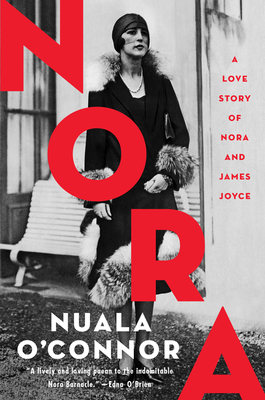
Review 2203: Nora

Nora is based on the movements of Nora Barnacle and James Joyce and on their letters, many of which, apparently, were quite explicit.

On an acquaintance of only a few, heated months, Nora Barnacle goes off with James Joyce to live in Europe despite his not believing in marriage. In 1904, she is 20 and has been working in a Dublin hotel after fleeing her family in Galway.

The life she takes on is difficult. Not only are they very poor and have no permanent abode after the job Joyce was promised at the Berlitz school in Zürich turns out to be a scam, but Joyce himself is difficult. He is a drinker and a spendthrift who buys gifts with the rent money. He is a jealous man who may not be faithful himself and likes to hear about the men Nora knew before him. He is selfish and superstitious, usually certain of his own abilities but not always.

As their life continues, Joyce gets work but never stays satisfied with it. He quits gainful employment to pursue fanciful projects. They have to borrow from his friends and family and move from place to place. Although he is gaining literary fame, he has trouble getting his books published without censorship. He leaves Nora home alone with the children to go drinking with friends and sycophants. Then there is the war, and his failing eyesight.

This is a fascinating depiction of a complex relationship. Aside from the difficulties of living with Joyce and a peripatetic life, Nora has to deal with family pressures and a mentally ill child. Yet her relationship with Joyce is one of fierce passion and love. Although I am not comfortable with explicit sex, I was otherwise wrapped up in this story.

Related Posts

Miss Emily

A Country Road, A Tree

Ghost Light

Review 2202: Twice Round the Clock

Young Helen Manning is astonished when Anthony Fane asks her father for her hand and he agrees. Not only does he agree, but he invites the Fanes and their friends over to celebrate.

The reason Helen is astonished is because she has always been terrified of her father. But her friends, Sir Anthony and his wife, daughter Kay, friends Doctor Henderson, Teddy Fraser, and Bill Brent, accompany Tony to the Mannings for dinner.

All the guests find Manning disturbing, especially when the famous scientist shows them an experiment where he brutally poisons a kitten belonging to the cook, Mrs. Geraint. Unfortunately, a tremendous storm strands them all there for the night.

Bill Brent is awakened at four by a noise downstairs in Manning’s office. When he goes down, he finds Manning dead at his desk with a carving knife between his shoulder blades. The French doors behind him are broken, and the room is in chaos.

This is a lively novel that goes some surprising places, including espionage and hidden family relationships. It has some unlikely plot points, and why everyone’s tires are slashed is never explained. But it’s a quick, fun read.

I received this book from the publishers in exchange for a free and fair review.

Related Posts

Jumping Jenny

Death of Jezebel

Thirteen Guests

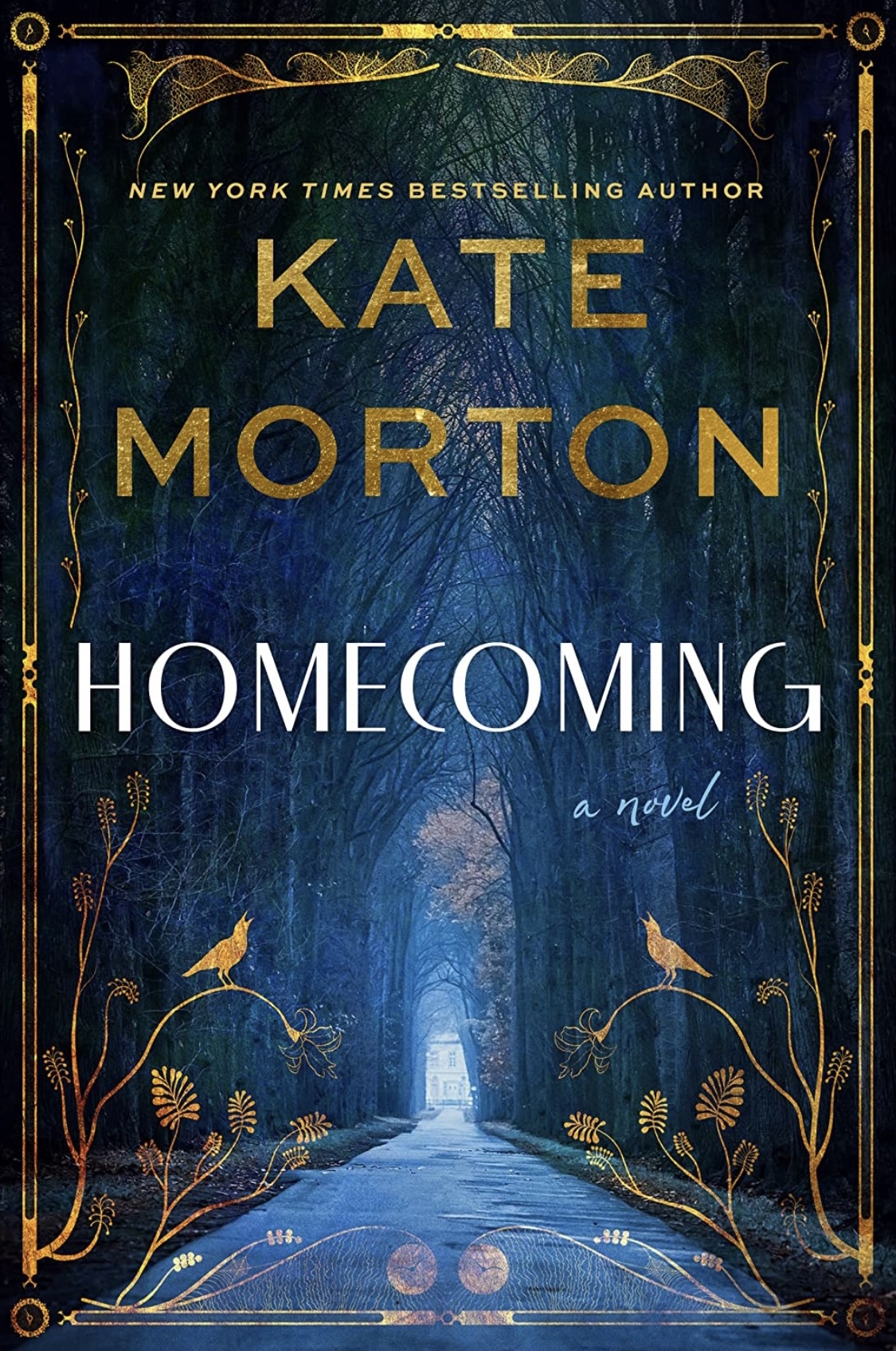
Review 2201: Homecoming

To a certain extent, you know what you’re getting with a Kate Morton novel—a split time-frame story with family secrets revealed. The storytelling is always very well done, and more often than not, the story is engrossing. Homecoming is no different.

On Christmas Eve, 1959, Percy Summers is riding past Halcyon, the estate in the Adelaide Hills recently purchased by Thomas Turner, when he trespasses to water his horse in the river. By the river, he finds Isabel Turner and her children apparently asleep near the remains of a picnic. Only they’re not asleep. In his shock, Percy fails to notice a basket hanging from a tree—where Isabel put her baby. Later, everyone realizes the baby is missing.

In 2018 London, Jess is summoned home to Sydney because her grandmother, Nora Turner-Bridges, is seriously ill, having fallen while trying to go up to her attic. Jess, a currently unemployed journalist, has not been home in 20 years, but it was her grandmother who raised her.

Nora has told Jess stories about her brother Thomas, but it is not until she begins looking through Nora’s things for a letter Nora’s caregiver said upset her that she learns Thomas had a house in the Adelaide Hills where his family was killed when he was abroad. Jess can’t believe Nora never told her about this. In fact, she finds a book about the crime in Nora’s bedroom.

While Jess investigates the old crime, we learn about it from flashes back and from the book she found, which is contained in its entirety. For me, this was an unfortunate choice that made the slow unwrapping of the plot more artificial, particularly because it is far too short to really be a book. However, I got used to it.

There were several big mysteries wrapped within this crime, but the two big ones are, what happened to the baby? and did Isabel poison her family? I was fairly sure I knew the answers to both early on, but I didn’t guess the details or complications. In all, I felt that this novel, while not my absolute favorite of Morton’s books, was right up there.

Related Posts

The Forgotten Garden

The Secret Keeper

The Lake House

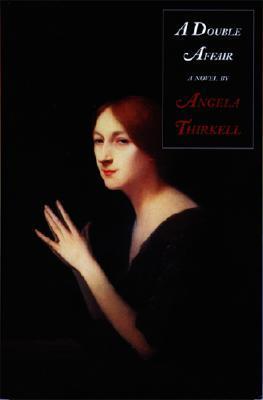
Reading Thirkell’s Barsetshire Series in Order: #26 A Double Affair + #25 Never Too Late Wrap-Up

We’re nearing the end of the series, here. There are only four more books to go. I enjoyed the surprise at the end of Never Too Late, even though it was understated. Thanks for anyone who joined me by commenting, and I appreciate the efforts of people to find the books.

Our next book is A Double Affair, and I’ll be posting my review on Friday, July 28. I hope someone can read along with me.

And here’s our badge.

Review 2200: Near Neighbours

The last book I read before this one was This Mournable Body, and after reading that, I felt in need of something light. So I skipped through my queue until I found this book, and it answered the purpose very well.

Unlike the other Clavering works I’ve read, which were set in small towns or villages in the Scottish borderlands, Near Neighbours is set in Edinburgh, in a once-exclusive neighborhood where stately homes are being split up into flats. The two surviving single-family homes are next to each other.

In one, elderly Miss Dorothea Balfour has been dominated all her life, first by her father and then by her older sister. But now her sister is dead, and Miss Balfour has just begun to realize that her life is her own. Still, she is lonely, as her sister considered them to be socially above their neighbors. However, she has always been interested in the activities next door, where the Lenox family, a widow with five grown or nearly grow children, live.

Young Rowan Lenox notices Miss Balfour at the window one day and decides to call on her to offer condolences. She finds the house gloomy but gets along with Miss Balfour well and invites her to tea. Everyone likes her and soon there are friendly visits back and forth.

The three oldest Lenox girls have a romantic concern. Willow is married, but because her husband is in the navy and is often away, she still lives at home. Her mother wishes they would get their own place, and Rowan is disturbed to notice Willow spending a lot of time with Mickey Grant while Archie is away.

Hazel Lenox is a level-headed nurse who is surprised to learn that the hospital heartthrob, Adam Ferrier, approves of her. He even asks her out a few times but then informs her he needs to concentrate on his career as a surgeon. Hazel hadn’t realized until then that she cares for him.

Rowan’s new Highland Dance partner is a brooding Byronic type but the best dancer in the class, Angus Todd. He is sensitive about his lack of background, being adopted, but shows an alarming tendency to be possessive of her, while she thinks of him as a friend.

Miss Balfour is surprised to receive a call from a strange man, who turns out to be the brother-in-law her sister split from six months after she married him. Mr. Milner seems not quite reputable, and Charles Frasier, Miss Balfour’s solicitor, is alarmed because the sister left her entire estate in such a way that Mr. Milner could lay claim to all of it. Through Miss Balfour, Charles meets the Lenoxes and is struck by Rowan.

The novel is a pleasant story about nice people with few real surprises, but the characters are interesting and you want to know what happens to them.

Related Posts

Mrs. Lorimer’s Quiet Summer

Dear Hugo

Yoked with a Lamb

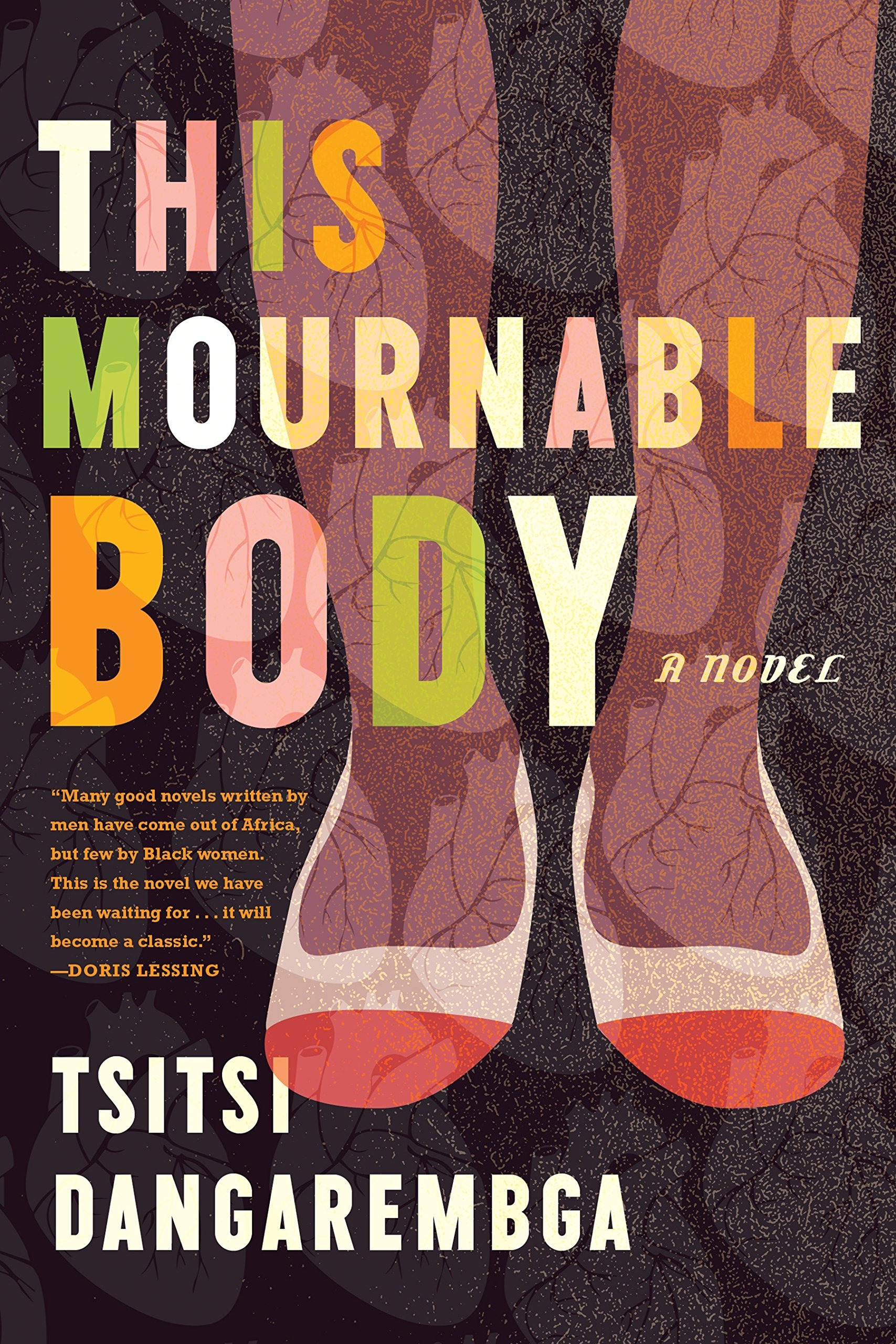
Review 2199: This Mournable Body

I have already complained about the tendency of Walter Scott Prize judges to pick novels for their shortlist that are in the middle of a series. Now I find the Booker Prize judges selecting the third book in a series. I understand that reading the first two books would have helped me understand this one, but I am not sure my spirit could stand up to two more.

Set in 1990s Zimbabwe during the Mugabe dictatorship, This Mournable Body follows the struggles of Tambudzai, an embittered and sometimes unstable woman. At the beginning of the novel, she is unemployed and living in a youth hostel that she’s too old for, having quit her job as a copywriter for an advertizing agency because credit for her work was going to white employees. Right away, after a disturbing incident where she is turned away from an interview for lodging by a servant, we see an unpleasant side of her when she joins a mob attacking one of her hostel mates because of her short skirt.

Tambodzai makes two moves hoping to improve her lot. She takes a room in the crumbling compound of a rich widow, and she takes a job as a teacher in a girls’ school. Because of her education, she feels she deserves a better position in life, and that’s all she thinks about. She is embarrassed and depressed by her surroundings and sees her teaching job as a comedown. Finally, she has a breakdown in class.

Permeating this novel are references to the recent war, with war veterans complaining that the country, which is poor and struggling, and of course led by a corrupt government, is not what they fought for. But to me many things just seemed vicious. Women are assaulted by strangers, mobs, their husbands and basically told to get over it. The success of one businesswoman who opens a popular store is rewarded by a mob trying to threaten her. Later, when our heroine gets a new opportunity and is enjoying her work in ecotourism, the farm where they lodge tourists is taken over by war veterans with government approval, presumably because it is owned by a white family but perhaps not.

Tambudzai herself is not a nice person for most of the novel, until she experiences some self-revelation. More, though, is that there is a lot of this book I didn’t understand, about people’s attitudes and about the oblique references to the government. The ending provides a small lift; otherwise, I found the novel depressing and hard to stick with.

Related Posts

In the Shadow of 10,000 Hills

When Rain Clouds Gather

Travelers