
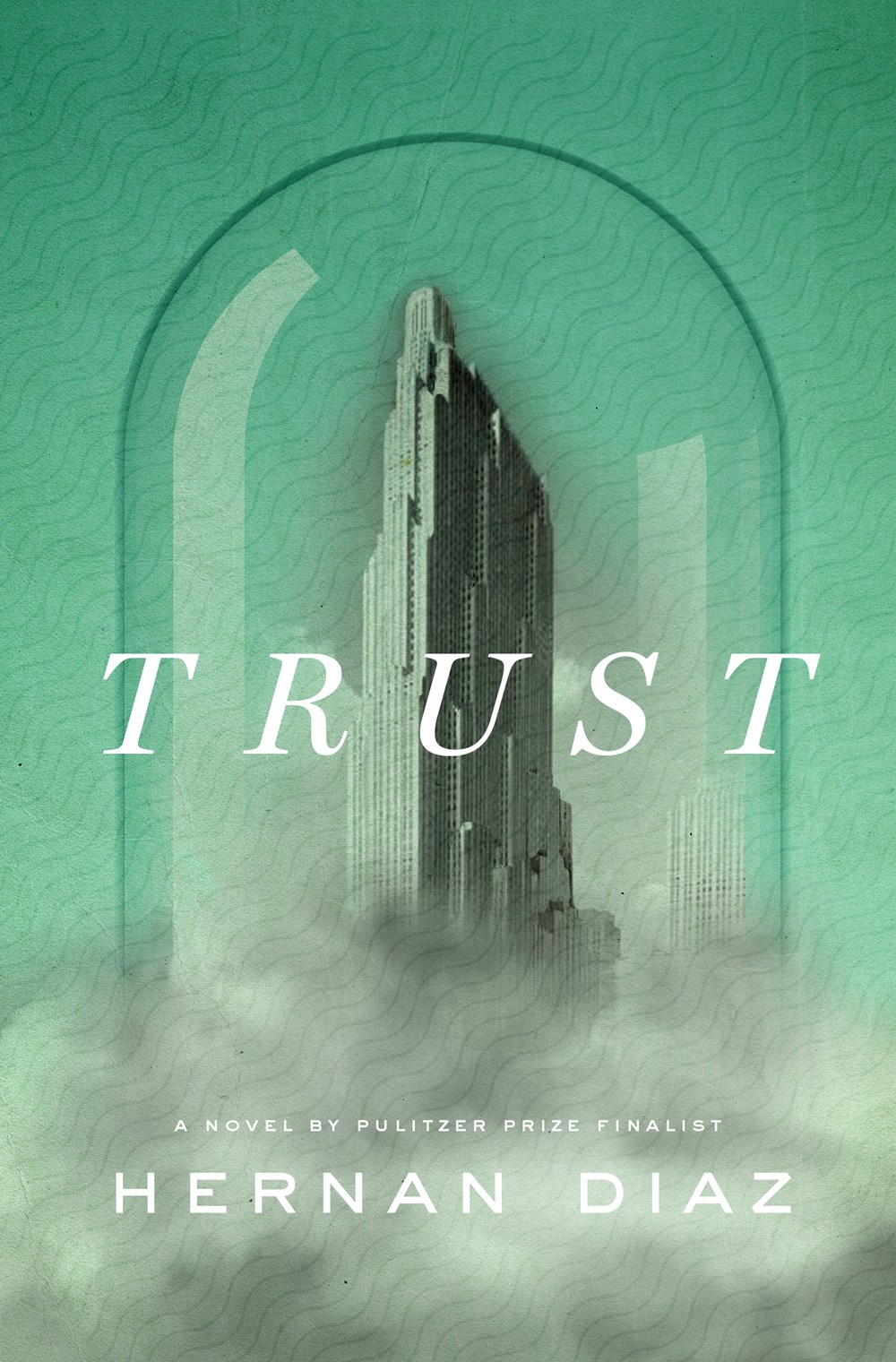
Since I just reviewed the last book on the shortlist for the 2023 Pulitzer Prize for Fiction, it’s time for me to evaluate whether I think the judges got it right. That year was an unusual one, because they awarded it to two of the three novels on the shortlist, Trust by Hernan Diaz and Demon Copperhead by Barbara Kingsolver. I felt that there were flaws in all three novels.
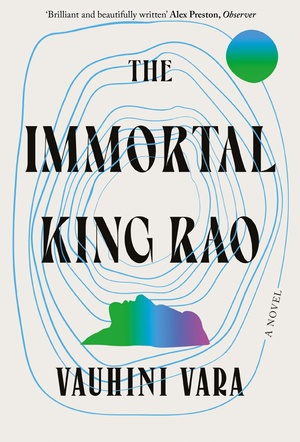
I think I’ll start where I often do, with the book I liked the least. That is with The Immortal King Rao by Vauhini Vara. It may be that I’ve just read too many dystopian novels this season, and they are not my favorite. But I also thought Vara tried to tackle too many subjects. This impressed some of the newspaper and magazine reviewers, but it made me feel the novel was too all over the place. It hits runaway technology, social networking dangers, climate change, the disintegration of national governments, not to mention dysfunctional families.
It’s harder for me to evaluate the other two. Although I am not a fan of novel rewrites, Demon Copperhead was a clever rewrite of David Copperfield, placing the old classic in a modern framework. However, Barbara Kingsolver is not really good at funny, which is one of Dickens’s hallmarks, and I missed the innocence of the original character. The story is gripping, however.
I think I’m going to go with Trust as the most ambitious of the three novels in terms of structure. Trust presents the story of a wealthy early 20th century tycoon and his wife three times. Although the first time, a novel about the couple, was commonplace, and the second retelling, an “autobiography,” by the tycoon, was so megalomaniacal that it was hard to read, the third section by the tycoon’s ghost writer is where the meat and the surprise of the novel lie. I likened this novel to Russian nesting dolls, and it’s the one that has stuck with me longest.


















 What? Me Read?