
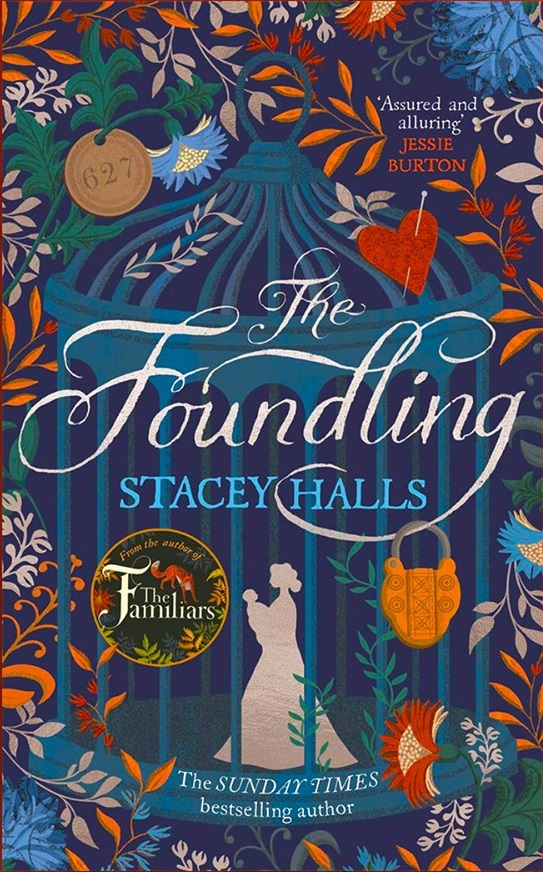
As a young woman, Bess Bright, a shrimp seller, has a first sexual encounter with Daniel Callard, a merchant. He disappears, leaving her with only a keepsake, half a whalebone heart, and a pregnancy. In 1748 London, she and her father, who already support her lay-about brother, cannot afford to keep the baby, so she takes her newborn daughter to a lottery at a foundling hospital, and she is accepted. She leaves the half heart as an identifier, so she reclaim her daughter.
Six years later, Bess believes she has saved enough money to redeem her daughter. But when she returns to the foundling hospital, she is told that she herself redeemed her daughter one day after leaving her, even identifying the keepsake.
Bess has discovered that Daniel died a few months after their encounter and that he was married. When she goes to consult Dr. Mead of the foundling hospital, he takes her to chapel, where she sees Mrs. Callard. With her is a six-year-old girl that Bess knows immediately is her daughter.
With unwitting help from Doctor Mead, Bess gets a position as a nursemaid with Mrs. Callard. There, she finds a strange household, where no one leaves the house except for the weekly chapel visit. Here the point of view shifts to that of Alexandra Callard, a woman full of fears and given to ritual.
I thought I had read a book by Stacey Halls before, but I was mistaken. I was at first disturbed by the first person narration, because it sounds nothing like a woman of Bess’s time and lack of education. Also, the first person narrative taken up later by Alexandra doesn’t sound like a different person. Hall could have easily avoided this problem by employing limited third person instead.
I got accustomed to the narrative style eventually and was pulled along by the story. However, without saying what it was, I found the ending spectacularly unlikely, especially the sudden change in Alexandra.




 What? Me Read?