
 The Best Book of the last five is In a Strange Room by Damon Galgut!
Tag: book lists
Best of Five
 The Best Book for this period is A Country Road, A Tree by Jo Baker!
If I Gave the Award
 When I began my James Tait Black Fiction Prize project late last year, I had, just coincidentally, already read three of the four shortlisted books for 2014. Having finally posted my review for the fourth, it is time for my feature where I give my opinion about which book I would have voted for.
The year 2014 has some strong entries, the weakest of which, in my opinion, is The Flamethrowers by Rachel Kushner. Although it skillfully depicts two vibrant cultures in the 1970’s, to me there seemed to be something about the main character that was not convincing, and the relationship that the novel pinned its major events on was unexplored.
 I don’t think very many writers can beat Kent Haruf as a prose stylist and was happy to see his Benediction on the list. I also very much enjoyed the winning book, Harvest, by Jim Crace. It was dark and powerful. I strongly recommend both of them.
So, my opinion is simply based on the feeling that All the Birds, Singing by Evie Wyld made the biggest impression on me. Although I read it long ago, in the fall of 2014 (as I did Harvest), it is the one that sticks with me the most and that I find the most haunting. So, All the Birds, Singing is my pick for 2014.
Best of Five!
 This period’s Best Book is The Good People by Hannah Kent!
Best of Five!
 The Best Book for this period is Coming into the Country by John McPhee! Also recommended is The Honourable Schoolboy by John LeCarré!
Best of Five!
 This period’s Best Book is Salt Creek by Lucy Treloar!
Best of Five!
 The Best Book for this period is The Priory by Dorothy Whipple!
Best of Five!
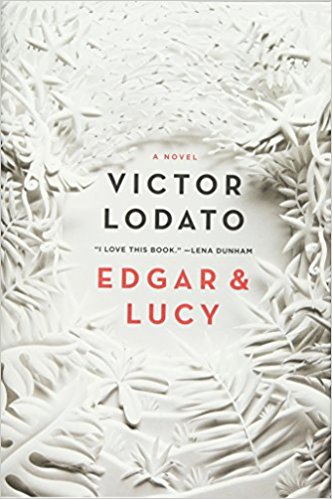 The Best Book for this period is Edgar & Lucy by Victor Lodato!
Best of Five!
 This period’s Best Book is The Garden of Evening Mists by Tan Twan Eng!
If I Gave the Award
 Last week I posted my last review of the shortlisted books for the 2015 Walter Scott Historical Fiction Prize. That means it’s time for this feature, where I give my opinion about whether the judges got it right.
The shortlist for 2015 is a tough one to like. There were seven books on the shortlist, but for various reasons, four of them just didn’t float my boat at all: Zone of Interest by Martin Amis, In the Wolf’s Mouth by Adam Foulds, Arctic Summer by Damon Galgut, and A God in Every Stone by Kamila Shamsie.
 Of the other three nominations, Viper Wine by Hermione Eyre is the most inventive in approach and is well grounded in its historical background. Looking back at my review, I think I enjoyed it more than I remembered. The Ten Thousand Things, that year’s winner by John Spurling, is probably the book that most qualifies as literary fiction, and it certainly conveys both a historical context and a sense of time and place. It had such a detached viewpoint, however, that I was never fully engaged with it. For me, The Lie by Helen Dunmore was the most engaging, but of these three, it conveyed the least about its historical time. So, for this year’s prize, taking into consideration both how involving the book was and its reflection of its time and place, I guess I would have picked Viper Wine, with a plus for its wildly inventive approach.

