WWW Wednesday

I stole this idea from the Chocolate Lady who stole it from someone else. What’s WWW Wednesday? It’s really just a check-in that I do once a month. I talk about what I just finished reading, what I am reading now, and what I expect to be reading next. That gives you a chance to do it, too! I wish you would!

What did I just finish reading?

I just finished the second of Caroline Graham’s Inspector Barnaby series, Death of a Hollow Man. I have long been a fan of Midsomer Murders, which is based on this series, although Graham only wrote a few books. I tried reading the series years ago but stopped after the first book because my ideas of the characters had been created by the TV show. In this book, there’s another shock, because Barnaby’s daughter Cully is depicted as acidic. However, I enjoyed the book, despite knowing the solution because of being so familiar with the TV series. Graham does a pretty brave thing in this book, using half the book to do the build-up and spending lots of time developing the characters before the crime.

What am I reading now?

I actually haven’t started reading the next book but have taken it out as I write, and I know absolutely nothing about it except it’s on my Walter Scott prize project list. It’s I’m Not Your Eve by Devika Ponnambalam, and I see it’s about the muse of Paul Gauguin. Well, that should be interesting. I’m looking forward to it.

What will I read next?

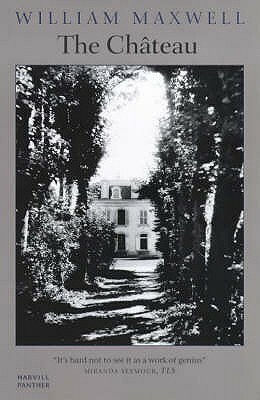
I went through my pile of To-Read books, and I took out all the books that will fill holes in my Century of Books project and put them in a little pile on my bed table. I’ve been trying to read one every other book. Death of a Hollow Man filled in 1989, and The Chateau by William Maxwell will fill in 1961. I’ve been reading lots and lots of books for the same years and quite a few published before the years my project covers, so I know I won’t make my deadline of reading all the books this year, but I will forge on! By the way, I know nothing about this book, including why I bought it!

What have you been reading, and what will you read next?

A Century of Books: How Am I Doing? August Report

In January, I foolishly decided to join Simon Thomas’s Century of Book Challenge, even though I knew that reading 100 books, one for each year in a century, from 1925-2024, would be tough because last year I only read 169. So, how am I doing?

Here are the holes in my project with the books listed for this month below. If you want to see the details, see my Century of Books page.

I read a lot fewer books in August than usual because first, I was traveling, and second, I got sick.

  • 1925-1934: entries needed for 1928, 1929, and 1931
  • 1935-1944: entries needed for 1939 and 1944
  • 1945-1954: entries needed for 1945, 1948, 1949, and 1950
  • 1955-1964: entries needed for all years except 1956, 1958, 1959, and 1962
  • 1965-1974: entries needed for 1967, 1969, 1971, and 1973
  • 1975-1984: entries needed for all years except 1975, 1976, and 1978
  • 1985-1994: entries needed for all years except 1987, 1992, and 1988
  • 1995–2004: entries needed for all years except 1998, 1999, and 2004
  • 2005-2014: entries needed for all years except 2009, 2010, 2012, and 2014
  • 2015-2024: complete!

Since July 31, I have read the following books:

  • The Gambler by Fyodor Dostoevsky from 1866 (too early to count for this project)
  • Envy by Yuri Olesha from 1927
  • Their Eyes Were Watching God by Zora Neale Hurston from 1937
  • A Chelsea Concerto by Frances Faviell from 1959
  • The Book of Lamentations by Rosario Castellanos from 1962
  • Broken by Karin Slaughter from 2010
  • The Raging Storm by Ann Cleeves from 2023
  • The Witching Tide by Margaret Meyer from 2023
  • The Bee Sting by Paul Murray from 2023
  • The House of Doors by Tan Twan Eng from 2023

If I Gave the Award

Now that I have posted my review of the last of the shortlist for the 2020 Pulitizer Prize for Fiction, it’s time for my feature in which I decide whether the judges got it right. The Pulitzer Prize tends to choose only three books for its shortlist, so in some ways the choice is easier, in some ways more difficult. In this case, two of the choices were ones I really liked.

Let’s start with the one I didn’t like as much, The Topeka School by Ben Lerner. Now, there is nothing intrinsically unlikable about Lerner’s books, it’s just that they’re all about himself, as evidenced by his alter ego, Adam Gordon, being the protagonist for all and having a biography very similar to his own. I’m saying this on the basis of two books, but I think it’s true. The novels are somewhat funny, poking subtle fun at himself, and he is obviously into wordplay, but I guess I just don’t like him very much. In this case, the novel focuses on Adam’s high school years, his relationships with his friends and girlfriend, and his prowess on the debating team.

The choice between the other two novels is difficult for me. The Dutch House was my favorite Ann Patchett novel until she wrote Tom Lake, and frankly, they’re pretty much a tie for me. It’s about the disastrous effects on his children of a father’s lack of understanding, almost a willful blindness, of both his first wife, the children’s mother, and his second. It’s about the consequent loss of his children’s inheritance, the Dutch house, and their fascination with it. And it’s about the closeness of siblings who only had each other to rely on. I really love this book.

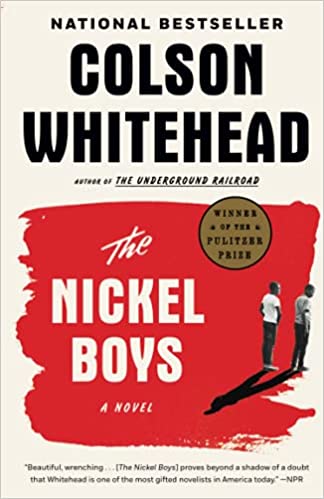
I was gripped, though, by The Nickel Boys by Colson Whitehead, the winning book. It’s a historical novel about the mistreatment and even murder of black boys in a Florida school for boys, aka, a detention center, based on the true history of the Dozier School for Boys. Its protagonist, Elwood Curtis, is a right-minded boy who makes the mistake of accepting a ride from a stranger in what turns out to be a stolen car. Once incarcerated in the school, he begins collecting a record of the abuses he sees.

It’s not hard to see why the judges picked The Nickel Boys over The Dutch House, a more personal novel. But that’s what I like about it. Both novels touched me emotionally, so I guess this time I declare a tie. I didn’t love The Nickel Boys as I loved The Dutch House, but it is extremely powerful. They are both very good novels.

WWW Wednesday!

I meant to do WWW Wednesday last week, but I was traveling and sick, not a good combination. So, here goes today. What is WWW Wednesday (not my original idea)? It is simply a post about what I just read, what I’m reading now, and what I think I’ll be reading next. If you would like to join in, leave a comment about your recent reading experience.

What Am I Reading Now?

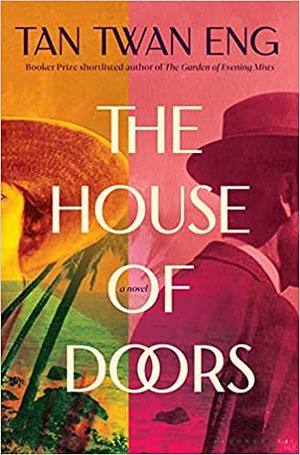
I am reading The House of Doors by Tan Twan Eng and finding it very interesting. It’s so far about a visit that Somerset Maugham made to Penang in the 1920s, but I think it’s going to change soon to be about Sun Yat Sen. I am reading it for my Walter Scott Prize project, but I so much enjoyed The Garden of Evening Mists that I probably would read it anyway.

What Did I Just Finish Reading?

I just finished rereading Their Eyes Were Watching God for my Literary Wives club. I found that I felt pretty much the same about it as I did last time, but I found that reading almost the whole book in dialect was really tiring. Maybe that’s because I haven’t totally recovered yet, but it’s true that dialect is hard on the reader.

What Will I Read Next?

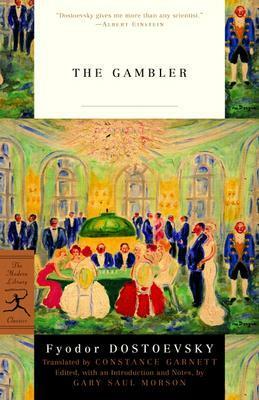
If it arrives before I start another book, I will read The Gambler by Fyodor Dostoevsky for the 2024 Dostoevsky Read-a-Thon hosted by Russophile Reads. I thought I had a copy, but I seem to have almost all Dostoevsky except that. Then I thought the public library would have it, but no, although in general it is a much better library than the one in Austin was while we lived there. (They finally have a new one after talking about it forever.) If it doesn’t arrive before I finish The House of Doors, then I will probably give myself a break from literary books and read Broken by Karin Slaughter, the next in her Will Trent detective series.

What about you? What are you reading?

A Century of Books: How Am I Doing? July Report

In January, I foolishly decided to join Simon Thomas’s Century of Book Challenge, even though I knew that reading 100 books, one for each year in a century, from 1925-2024, would be tough because last year I only read 169. So, how am I doing?

Here are the holes in my project with the books listed for April below. If you want to see the details, see my Century of Books page.

  • 1925-1934: entries needed for 1927-29 and 1931
  • 1935-1944: entries needed for 1939 and 1944
  • 1945-1954: entries needed for 1945, 1948, 1949, and 1950
  • 1955-1964: entries needed for all years except 1956, 1958, 1959, and 1962
  • 1965-1974: entries needed for 1967, 1969, 1971, and 1973
  • 1975-1984: entries needed for all years except 1975, 1976, and 1978
  • 1985-1994: entries needed for all years except 1987, 1992, and 1988
  • 1995–2004: entries needed for all years except 1998, 1999, and 2004
  • 2005-2014: entries needed for all years except 2009, 2010, 2012, and 2014
  • 2015-2024: complete!

Since June 26 I read the following books:

  • These Old Shades by Georgette Heyer from 1926
  • The Listening House by Mabel Seeley from 1938
  • Miss Granby’s Secret by Eleanor Farjeon from 1940
  • Village Story by Celia Buckmaster from 1951
  • The Fountain Overflows by Rebecca West from 1956
  • The Heather Blazing by Colm Toíbín from 1992
  • The Voyage of the Narwhal by Andrea Barrett from 1998
  • The Time of Women by Elena Chizhova from 2009
  • Memorial by Bryan Washington from 2020
  • Glory by Noviolet Bulawayo (DNF) from 2022
  • Hungry Ghosts by Kevin Jared Hosein from 2022
  • In the Upper Country by Kai Thomas from 2023

I’m on vacation this week and next, so I haven’t been making much progress lately.

What I Think of NYT 100 Best Books by Readers

Cover for A Little Life

Last week, the New York Times published the list of the top 100 books of the 21st century as determined by their readers. I was one of the readers who submitted my top 10 list, although I admit that I didn’t think of some books I might have included. I thought I’d take a look at this new list from several angles .

Which Books Were Also on My List

The books on this list that were also on my list are these:

Not so good, but I did a little better if you add in the books that were on my shortlist but got scratched off to get down to 10:

What Other Books Were on My List

I tend to have eccentric tastes, so I wasn’t surprised that some of the books I put on my list weren’t included on the top 100 at all. The rest of the books on my top 10 were:

Which Books Did I Wish I’d Thought Of

Of course, I noticed books on the list that I might have put on my list if I’d thought of them:

Which Books Are Still on My Pile

There are a couple books that I actually have on my pile to read. (In fact, one is next, but I haven’t brought it along with me on my trip because it’s so fat.) So, I haven’t read them yet but intend to:

  • Lessons in Chemistry
  • The Bee Sting

Which Books I Think Are Overrated

There are lots of books on this list that I admire. It’s just difficult to bring a list down to 10 books from all those written since 1999. However, let’s get down to it. There are lots of wildly popular books that I think are overrated. In my opinion only, here are the ones from this list. Don’t get mad at me if they’re your favorites. I’m just saying they shouldn’t be on a list of the best books of the century.

Classics Club Spin #38

It’s time to participate in another Classics Club spin. If you want to participate, post a numbered list of 20 books from your Classics Club list by Sunday, July 21. On that date, the club will announce a number, which determines which book you read for the spin. Then you try to read the book and post a review by September 22.

So, here’s my list for the spin:

  1. Les Misérables by Victor Hugo
  2. Hero and Leander by Christopher Marlowe
  3. The Passenger by Ulrich Alexander Boschwitz
  4. Cecilia, Memoirs of an Heiress by Frances Burney
  5. The Tavern Knight by Rafael Sabatini
  6. Love’s Labour’s Lost by William Shakespeare
  7. Our Mutual Friend by Charles Dickens
  8. The Methods of Lady Walderhurst by Frances Hodgson Burnett
  9. Merkland, A Story of Scottish Life by Margaret Oliphant
  10. The Deepening Stream by Dorothy Canfield Fisher
  11. Incidents in the Life of a Slave Girl by Harriet Jacobs
  12. Tis Pity She’s a Whore by John Ford 
  13. The Three Musketeers by Alexandre Dumas
  14. The Princess of Cleves by Madame de La Fayette
  15. The Methods of Lady Walderhurst by Frances Hodgson Burnett
  16. Love’s Labour’s Lost by William Shakespeare
  17. Merkland, A Story of Scottish Life by Margaret Oliphant
  18. Our Mutual Friend by Charles Dickens
  19. The Three Musketeers by Alexandre Dumas
  20. The Tavern Knight by Rafael Sabatini

If I Gave the Award

Cover for The Thousand Autumns of Jacob De Zoet

I’m way behind on finishing the shortlisted books for the 2011 James Tait Black prize, but now that I have, it’s time for my feature, where I say whether the judges got it right. This year’s shortlist is unusual, because it contains three historical novels out of the four. It’s also going to be difficult from my perspective because I loved two of the books on the shortlist, but I haven’t read one of them since 2012.

Let’s start with my least favorite book. That one is La Rochelle by Michael Nath. This novel has a vestigial plot about a missing girlfriend and a friend’s obsession with her. But mostly it is about the main character, whom I found unpleasantly fascinated with women’s anatomy and not afraid to say so. The novel deals with nights of drinking too much with the missing women’s partner until the main character finally does something different, ending a labyrinthine scheme that I thought was silly and absolutely unnecessary.

Next is my second least favorite of the four, which was the winner for that year, The Lotus Eaters by Tatjana Soli. When I originally started to read it, I had forgotten why I was reading it and took it for a standard historical novel about a woman photographer’s affairs with a married man and then with his assistant. However, it turned out to really be about the experience of being a war correspondent during the Vietnam War and the main character’s growing love for the country. After giving it a second try, I finished it, but I still felt quite a bit of distance from the characters.

Now we get to two favorite books. The first one was the book I read long ago and for which I wrote my fifth review for this blog, The Thousand Autumns of Jacob De Zoet by David Mitchell. Although it had hints of the sci-fi time travelers that he incorporates into most of his novels, at that time I had only read one other book by him, and the focus on historical fiction was so strong that I didn’t notice them. The main character is an employee of the Dutch East Indies company in 18th century Japan. He is fascinated by the culture, even though the Dutch are restricted to one island off the coast and the Japanese are generally not allowed on the island. He falls in love with a Japanese girl who is allowed on the island as the student of a Swedish physician. When he refuses to participate in his boss’s graft, he is deserted on the island and makes his way to the main island. I found the descriptions of the customs and laws of Japan at the time really interesting, and the book becomes an adventure.

But another type of adventure is experienced by the main characters of The Invisible Bridge by Julie Orringer. This novel was based on the experiences of her grandparents during World War II. The main character, a Hungarian Jew, arrives in Paris in 1937 to study architecture, but he soon loses his scholarship because of anti-Semitism. He also meets an older woman with whom he falls in love. This novel becomes one of great breadth, covering events of World War II, the Hungarian Holocaust, life in work camps, and the siege of Budapest.

I so much enjoyed both of these last two novels that it’s hard to pick, but I choose The Invisible Bridge, simply because of its depth and breadth, and also just slightly because I have a vague recollection that The Thousand Autumns of Jacob de Zoet eventually goes to some places that were a bit unbelievable.