Another short attempt at Book Serendipity

It’s been four months since my last Book Serendipity, and unlike Bookish Beck, I have only come up with a few more instances. Book serendipity is when the same topic or theme or something like that comes up in more than one book read around the same time, but since I am slower at catching these instances, I have expanded it to cross-media serendipity.

Here’s my only true book serendipity this time:
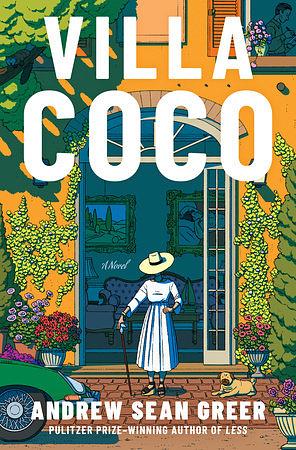
Reading about The Princess of Cleves by Madama de LaFayette in Villa Coco by Andrew Sean Greer when it is the next book on my pile.

The last two are cross-cultural and cross-media:
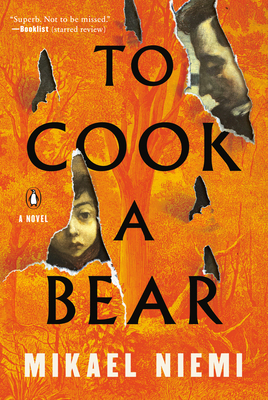
Reading a historical mystery (To Cook a Bear by Mikael Niemi) with the main character Pastor Laestidious, the founder of a religious movement in Sweden when I live in one of the two areas in the U. S. populated by many members of an obscure offshoot of that religion.

Here’s my cross-media reference:

Mention of axolotls in The Pendragon Legend by Antal Szerb the day after them being an answer on Jeopardy.


Book Serendipity

Following the lead of Bookish Beck, I have been keeping track of instances of book serendipity, where the same subject comes up in more than one place around the same time. My lists aren’t nearly as comprehensive as Beck’s, maybe because I don’t have as much attention to detail. But here are a few I’ve noted in the past few months:

References to Pompey the Great in Love’s Labour’s Lost by William Shakespeare and The Three Musketeers by Alexandre Dumas, read on the same day.

A transport with “Gypsy” in its name in Ancestry by Simon Mawer and The Land in Winter by Andrew Miller, read one after another.

Factions among the faculty of a girls’ school in The Prime of Miss Jean Brodie by Muriel Spark and the short story “The Greek Play” by H. C. Bailey in the British Library “Lessons in Crime,” read one after another.

A son of an important man disappears from school in adjacent stories in the British Library collection Lessons in Crime, “The Adventure of the Priory School” by Sir Arthur Conan Doyle and “The Missing Undergraduate” by Henry Wade.

In the category of related serendipity, two different blog reviews of books by Robert van Gulik randomly read on the same day.

Some Book Serendipity of My Own

When Bookish Beck posts her lists of what she calls “Book Serendipity,” that is, coincidences she notices across books, I am always impressed by how many things she lists and the level of detail she notices. So, last summer, I noticed a few things and jotted them down, thinking I would create a book serendipity list of my own. Then I had to flip the page in my notebook for some reason and forgot all about it. So, this is the paltry number of things I wrote down, plus one that is more recent.

  • Frail older woman interferes with a much younger man’s life: The Sweet Dove Died by Barbara Pym and Cecil by Elizabeth Eliot.
  • Women are married to much older men: Cecil by Elizabeth Eliot and The Musgraves by D. E. Stevenson.
  • Feudalism is a good thing: The Secret of Chimneys by Agatha Christie and The Portuguese Escape by Ann Bridge.
  • Empire is a good thing: The Portuguese Escape and The Lighthearted Quest by Ann Bridge

Boy, Ann, you’re not doing too well here.

The other things I noticed were actually cross-media serendipities that happened almost exactly at the same time:

  • Reference to Burgess and Maclean in The Portuguese Escape by Ann Bridge while watching a TV series about Kim Philby, also with references to Burgess and Maclean (A Spy Among Friends, starring Guy Pearce and Damian Lewis)
  • References to or setting in Ancient Syracuse in Indian Jones and the Dial of Destiny, on Jeopardy, and in Glorious Exploits by Ferdia Lennon

I guess maybe I’m not so much a details person as a big picture person, because I’m sure there have been more than these.