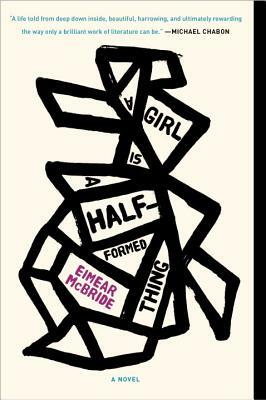
 I found The Lesser Bohemians a difficult book to read, in more ways than one. Still, if you are willing to give it a try, you may find it rewarding. It won Britain’s oldest literary prize, the James Tait Black fiction prize, in 2017.
The narrator of the novel, whose name we don’t learn until the end, is an 18-year-old Irish girl who comes to London to attend drama school. She is naive and inexperienced, but she plunges right into a life of partying. Still, she has not yet accomplished what she wants to, losing her virginity.
Then she meets an older man in a pub. He is 38 and a well-known actor. They begin an affair that he makes clear is a casual one. Soon, however, she realizes she is in love with him. Darker times await.
One of the difficulties (but also joys) of this book is the writing style. Although the story is told chronologically, McBride writes in sentence fragments, smashes sentences together, shifts pronouns and verb tense, and plays with typography, leaving gaps between words and placing innermost thoughts in smaller type. Here, for example, is a paragraph about her first friendship.
Vaudeville she, drawing all around. Funniest. And good to found a friendship. At least she’s a side to go side by with to class. Vault a day then with its procession of self. What’s your name? Whereabouts are you from? Live close? I hate the announcing but new futures demand new reckonings so I shuffle around what I have. Not much, not much, only me. Far from exotic when there’s Spaniards and Greeks. And here the first Dane I’ve ever met. Australian girls. Not white or Irish. You mean English up North? I only crossed a sea. Speak French then? Amazing. Fluently? I’d love to slip my homogeneity but. On to the next class. Go.
Like the narrator, none of the characters have names until, toward the end of the novel, the narrator and her lover use their names in the text. This can make it difficult at times to tell which characters are speaking or being referred to. The shift to actual names signals a shift in clarity for the main character.
Another problem for some readers may be the rawness and explicitness of its sexuality and of some other subject matter. For we are dealing with two really damaged individuals. I had to laugh when I realized my library was shelving this novel with the romances. Trust me, this is not a romantic novel.
So, why do I say it is worth reading? For one thing, it has a great deal of energy that carries you along. Also, you come to know these characters, with all their flaws, and care what happens to them.
The novel shifts about 2/3 of the way through, when the man starts being honest about himself. One reviewer thought the novel sags a little here. Certainly, it shifts in style, and perhaps loses some energy, but I was interested in the story.
Perhaps I don’t believe the ending of the novel and what it promises after all the characters’ volatility. Still, I was touched by this book and thought it was well worth reading.
Related Posts
First Love
Dear Thief
All the Birds, Singing

 What? Me Read?