
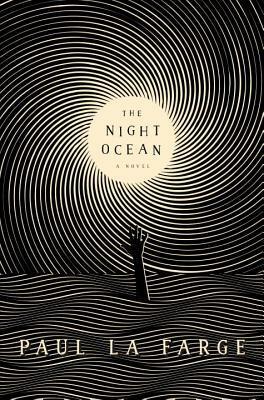
At first, I thought this novel was going to be about H. P. Lovecraft. Then, I thought it was a sort of homage to 30s and 40s science fiction and horror writers. But having finished it, I don’t know quite how to describe it.
Marina Willett’s husband Charlie is missing or dead. A writer of insightful profiles, Charlie began working on one of H. P. Lovecraft. During his research, he became interested in the story of a book purportedly written by Lovecraft’s much-younger deceased friend Robert Barlow that alleged a homosexual affair. This book was debunked as a fraud perpetrated by Lovecraft fan L. C. Spinks. However, Charlie becomes convinced after visiting Spinks that he is actually Barlow, having faked his own death and taken Spinks’ identity. He publishes a book telling this story and immediately becomes a literary celebrity.
But then, evidence comes out about facts that are incorrect, and Charlie himself is believed to have perpetrated a fraud. After checking himself into a mental hospital, he disappears, his clothes found next to a lake.
Marina is not satisfied. She decides to revisit the research that Charlie conducted, in the hopes of figuring out what happened. Since the last thing he did before checking into the hospital was revisit Spinks, Marina goes to see him.
Most of the rest of the novel becomes a series of stories beginning with Spinks’ first interview with Charlie. These stories name-drop 30s and 40s science fiction and horror writers and other prominent figures like crazy. This technique of the strange tale is one familiar to horror readers and a nod to Lovecraft.
If I were a bigger Lovecraft fan, I’d probably recognize more allusions besides the obvious ones—his fanboy-cum-writers themselves dropping his made-up words into their conversations, for example.
I think that Lovecraft fans will appreciate this novel more than I did, but the novel leaves Lovecraft behind about halfway through, and becomes more about Barlow. Myself, I got a little tired of the structure of story after story.
The novel is ultimately about identity, search for community, and reinvention.
 What? Me Read?