
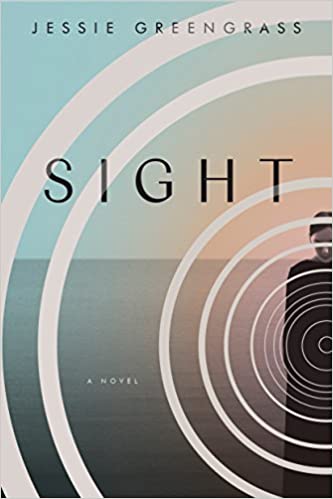
Hmmm. I find it hard to evaluate Sight because even though it explores very personal thoughts and feelings, it appealed mostly to my intellectual side not my emotion. And I have the greatest response to the latter. Some readers on Goodreads compared Greengrass to Rachel Cusk, and I can understand the comparison.
Sight is concerned with seeing below the surface, both in the obsessions of the main character and in the stories she tells about Roentgen, Freud, and John Hunter, an early anatomist. The unnamed character is at first painfully and neurotically conflicted about having a child, feeling the desire for the child while at the same time fearing the responsibilities of parenthood, but even more so fearing that she will not connect with her child. All the while, she lets us know that in another time she has already had this child and is expecting another one.
We learn that the narrator’s mother, the daughter of a psychiatrist who is an unrelenting self-analyst, had her dreams interrogated so thoroughly as a child that she stopped having them. Thus, her mother attempts to live only on the surface. Greengrass explores how we can know another person, or even ourselves, through the focus of motherhood, daughterhood, and through ruminations about scientific discoveries.
She writes in a lovely, meticulous prose, although she often prefers long, complicated sentences. Like her microscopic observations, though, her style seems distanced from the reader. I read this novel for my James Tait Black prize project.
 What? Me Read?