
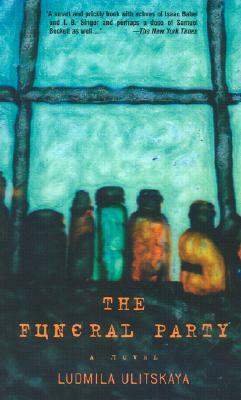
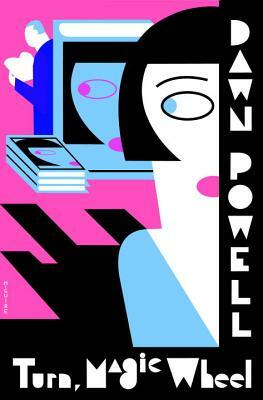
I don’t often get gifts of books anymore, so I was delighted to receive this novella at Christmas.
Alik, a charismatic Russian emigree artist, is dying in his New York City loft apartment. He has been overwhelmed by a mysterious complaint that has robbed him of his muscle control, limb by limb. Soon his diaphragm muscles will stop working and he’ll suffocate.
Surrounding him are his friends, people from all walks of life, from several countries, but mostly Russians. It’s 1991, a very hot summer. As Alik is dying, we learn about the people there, how they met Alik, and what he has meant to them.
Irina, Alik’s old school friend, is a circus performer turned lawyer who is suing a gallery for not returning some of Alik’s paintings after a show. Her teenage daughter has developed an immediate affinity for Alik.
Nina, Alik’s slightly dim partner, has been convinced by a healer that her cures for Alik will only work if he is baptized. Alik is an atheist, but he was raised Jewish, so he tells her he will only see the Russian Orthodox priest if he can see a rabbi, too. When they arrive at the same time, it makes for an interesting encounter.
Now I get to talk about book blurbs again, because one quote on the book calls the novel “riotously funny.” It is so not riotous that it makes me wonder about the NY Times reviewer that supposedly wrote that. I agree more with the quote from The New Yorker, which refers to its “quiet humor.”
During the novel the attempted coup against Mikhael Gorbachev takes place, and the Russians are glued to the TV. It made me wonder what they would think about the situation in Russian today.
I liked this novel, which is more about its characters than its plot. It explores some ideas about love, death, and identity while minutely observing life in a more bohemian neighborhood (Chelsea) of Manhattan.





 What? Me Read?