
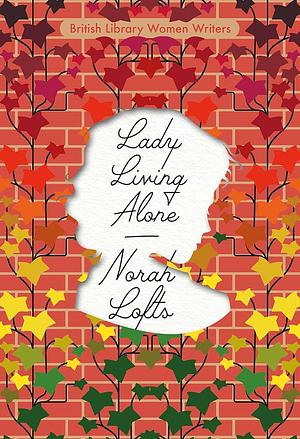
For quite some time in reading this novel, there is no indication of what it will become. It seems to be a domestic novel about a modest woman in her 30s, Penelope Shadow, disorganized, scatterbrained, unconventional, undomesticated, and of little means until she has a hit with her fourth novel. Soon enough, she is doing well and is able to move out of her sister’s house and buy her own. She has trouble keeping servants, however, and that is mostly an issue because of her phobia of being in the house alone at night.
On her way home from visiting friends, Penelope is forced to stop in a hotel at night because of the weather, but more because there is no one at home, the servants having quit while she was gone. The hotel is pretty dreadful, but a very handsome young man who is working there brings her tea when she wants it. He later confides to her that he’s leaving in a few days because he was hired as a waiter but is made to do all kinds of other work—cooking breakfast, cleaning, and so on.
He is so efficient and seems so kind that Penelope decides to ask him to work for her. His reaction when she’s not looking is the first indication that the novel is going somewhere other than expected.
Everything goes so well at home with Terry working for her that she is in seventh heaven. This state lasts for months until Terry comes home angry because, he says, people are spreading nasty rumors about their relationship. Instead of hiring another woman to live in the house, Penelope says they should get married.
Maybe, like me, you don’t think this is a great decision. Slowly, the novel shifts from a domestic drama to suspense.
This novel is a little different from anything I’ve read. It takes its time getting to where it is going without being a long book, and even after the reader is fully aware that things are going badly, Penelope is basically the only person who doesn’t know that.
I liked this novel a lot. I liked Penelope and sympathized with her problems, even though she is so impractical and looks too hard for people’s better nature. My dread grew toward the end of the book, and the ending was quite suspenseful.
Lofts wrote this book under the name of Peter Curtis so as not to confuse her usual readers, who expected historical novels. I’m going to look for more by Peter and also for those under her own name, as she is a writer I haven’t read before.

 What? Me Read?