
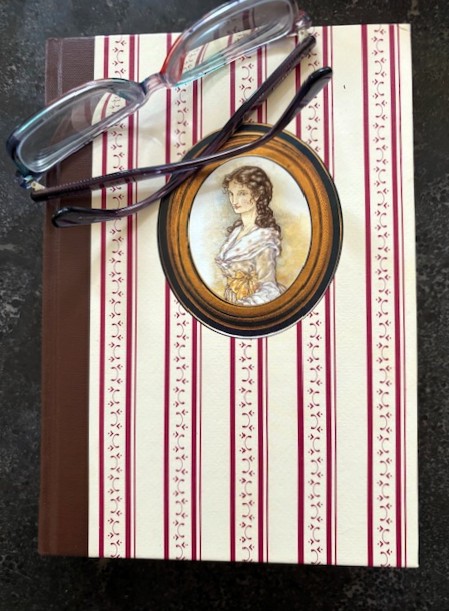
For years, I read all of Jane Austen’s novels once every year, but I haven’t done that since I started this blog. Now, Reading Austen 25 has given me an excuse to do it again.
The neighborhood is thrilled, because Netherfield Park, a large estate that has been vacant, has been leased. More importantly, the new occupant is Mr. Bingley, a young, single man of fortune. Foolish Mrs. Bennett, with five single daughters, is certain he will marry one of them.
Mr. Bingley has come with friends, and the first time everyone meets them is at a local ball. Although Mr. Bingley seems attracted to Jane Bennett, Elizabeth Bennett’s beautiful older sister, his friend Mr. Darcy stays aloof from the locals and will only dance with members of his own party. (That may seem okay to modern readers but is really very rude for the time.) When Mr. Bingley tries to get him to dance, suggesting Elizabeth as a suitable partner, Darcy slights her.
Later, Lizzy meets Mr. Wickham, a pleasing young man who grew up with Mr. Darcy. He tells her that Mr. Darcy has treated him wrongly, especially that he withheld a living from him that was promised to him by Darcy’s father. Lizzy is shocked.
Things look good for Jane, though, as Bingley is very attentive. Unfortunately, at a ball hosted by Bingley, all of Lizzy’s family except Jane behave in an embarrassing manner—her mother loudly discussing Jane’s chances with Bingley, her foolish younger sisters making exhibitions of themselves, and her father loudly correcting Mary. The next thing they know, the entire Bingley party has left for London with no intention of returning. Lizzy blames Jane’s disappointment in love on Caroline Bingley—Bingley’s sister—and on Mr. Darcy.
This novel is a domestic drama, a romance, and a witty social satire. Austen is gifted at creating characters whose personalities become obvious almost as soon as they open their mouths. I find it hard to choose my favorite Austen novel, but this one is certainly the funniest, with such characters as Mr. Collins, Mrs. Bennett, and Lady Catherine De Bourgh.
Harking back to a discussion last month about Austen’s wobble between sense and sensibility, I see more evidence of it here, when Mr. Darcy takes Jane’s calm demeanor for indifference to Mr. Bingley and when, later, he doesn’t speak to Lizzy because he can’t tell if she cares for him.
Anyway, of course, this novel is great.


 What? Me Read?