Review 2186: Eyes of the Rigel

This third novel in Jacobsen’s Barrøy trilogy has Ingrid Barrøy leaving remote Barrøy Island at the end of World War II to find the father of her daughter. Alexander was a Russian prisoner of war whom she rescued after the prison ship, Rigel, sank.

Ingrid only has faint leads as she rows, walks, takes the train, and rides the bus from one place to another in Norway, bringing her infant daughter with her. She starts with the people she left Alexander with after she smuggled him off the island and follows the trail from one person or location to another. None of the people she meets seem eager to help her, and she continually feels that they are lying. Ingrid is surprised to learn that not all people are happy the war is over, and she is naïve about lingering resentments and distrust.

I have been completely entranced by these books and felt that this was a fitting ending to the series. Ingrid is brave and determined, the writing is beautifully spare, the journey difficult and unpredictable.
Related Posts

White Shadow

The Unseen

A Town Like Alice

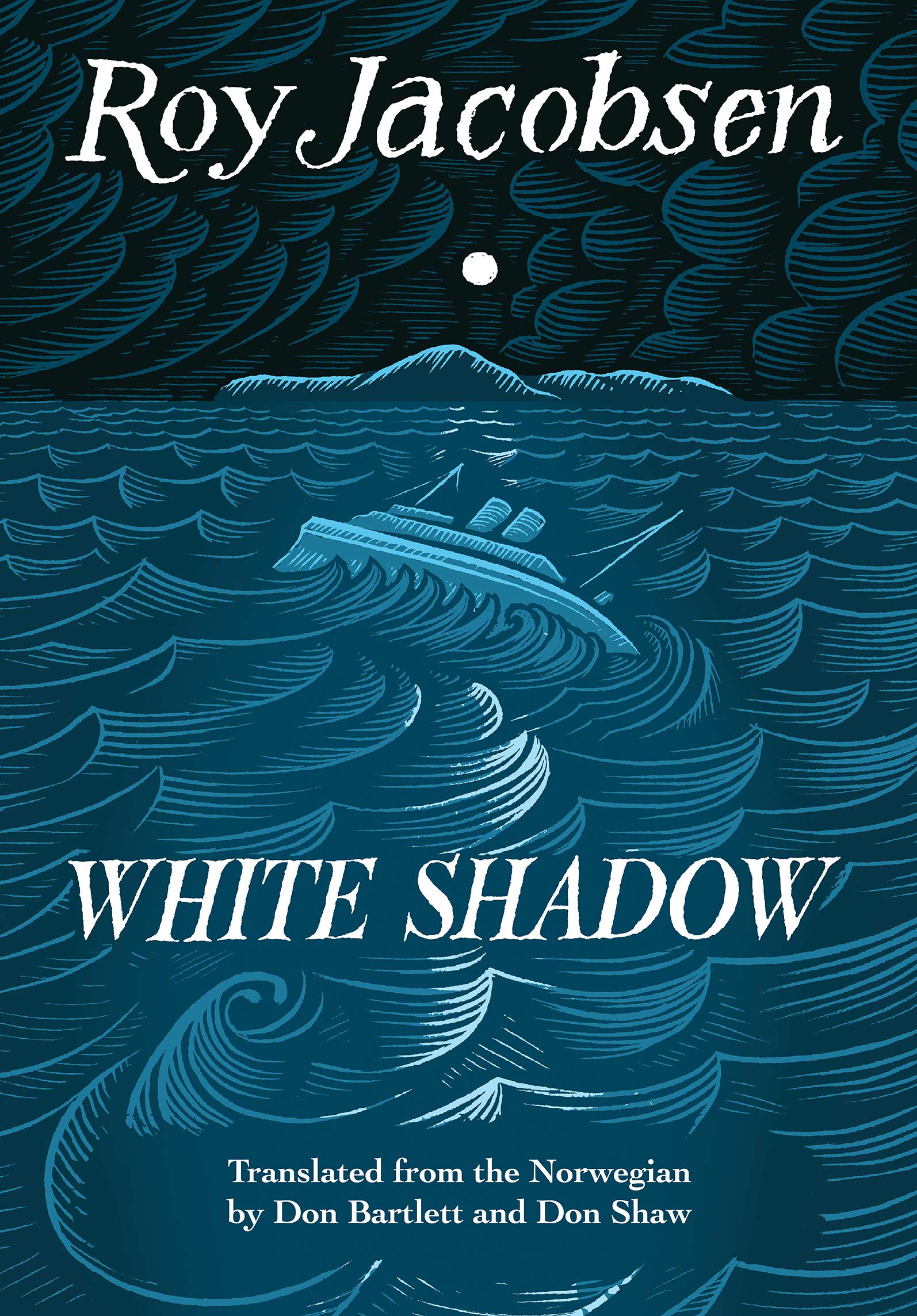
Review 2175: White Shadow

In this second book of Roy Jacobsen’s Barrøy trilogy, it is World War II and the Nazi’s have invaded Norway. The small island of Barrøy, the home of Ingrid’s family, has been evacuated. Ingrid has been living on the main island working in the canning factory, and her family is dispersed.

One day Ingrid defies the Germans and gets on a boat to row back to Barrøy. She goes into her family home without paying much attention to signs that someone has been in it, and it’s as if her brain refuses to see at first that there are dead bodies on the shore. A German ship carrying Russian prisoners has been bombed. She spends a day covering and burying bodies but eventually finds one man alive—a Russian, badly injured, up in the loft of the house.

Ingrid takes care of him but also must keep him safe from the Germans, who are observing her from the main island. She also is trying to bring the farm back into shape and fish to feed them.

The novel takes us to the end of the war, during which Ingrid has a difficult time.

Jacobsen tells this story with his usual pure, spare prose, a moving novel about human transcendence over great difficulty. I just love this series.

Related Posts

The Unseen

We, The Drowned

The Flight Portfolio

Review 2116: The Unseen

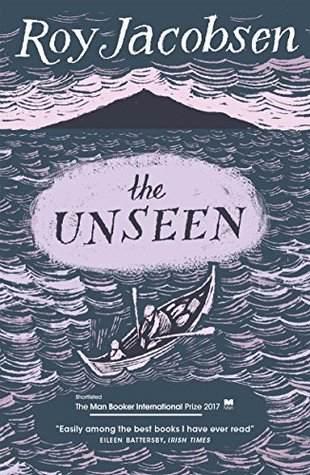
I have to admit to buying The Unseen because of its cover. I’m glad I did, because before I was halfway through, I was ordering the second book in the Barrøy trilogy. Although I’m not reading the shortlist for the Booker International prize, this novel was shortlisted for it.

After reading much of Halldor Laxson’s Independent People under the belief that it was describing Icelandic life in Medieval times, only to find out it was set in the 20th century, I don’t make assumptions about the times in which novels are set anymore. The Unseen describes a similarly primitive existence, with not many hints to its timeframe, but I finally figured out it begins a few years before World War I.

Ingrid’s family lives on Barrøy, one in an archipelago of many small islands in northern Norway. Each island is occupied by one family, and although the islands are in sight of each other, visits are rare, so the family has to be fairly self-sufficient.

Ingrid’s father, Hans, works hard and dreams of a different life for his family. His immediate dream is for a quay to make it easier for boats to land, so that when Uncle Erling arrives with his large fishing boat each January to pick up Hans for the yearly fishing, he can get off the boat. The novel relates the everyday events of the family’s life—the four-month fishing trips, the haying and fish drying in summer, milking cows, moving livestock from one small island to another for grazing, collecting and cleaning down from the eider ducks. And the big events—births, deaths, expansions and contractions of the residents of the islands.

Written in spare, crystalline prose with an occasionally very dry humor, The Unseen is fascinating. I loved this novel. And here I am reading about islands again.

Related Posts

Independent People

A Place Called Winter

The Rathbones