
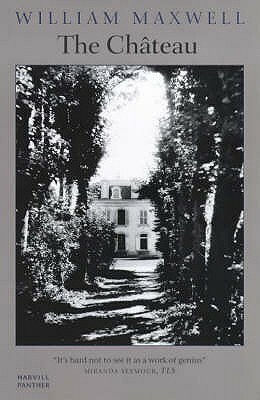
I found The Château when I was looking for a book to fill the 1961 hole in my Century of Books project. Although the blurb calls Maxwell “one of our greatest practitioners of the art of fiction,” I hadn’t heard of him before.
Harold and Barbara Rhodes, a young American couple, have taken one of the first opportunities of Europe reopening for tourists after World War II to visit France in 1948. Although they have some other adventures first, the bulk of the novel concerns the two weeks they have booked at a château, where they will be having meals with and visiting with the family. They made this decision to try to improve their French.
Although they meet mostly with kindness, they find post-war France difficult to travel in. The destinations they have in mind take several trains and sometimes other modes of transportation to get to, and they have brought too much luggage. Sometimes they are recommended not to go to a destination they planned. They end up going to the château early.
At first, nothing seems to be going well. No one meets them at the station, and although their room, when they finally see it, looks nice, it is cold and the fireplace is blocked. They were promised a bathroom and they get one but with only cold water from the sink and none at all from the tub, and the toilet is on another floor. The bicycles they were promised don’t appear. Moreover, their host, Mme. Viénot, seems cold and distant and their French isn’t up to the conversation. It is clear that the family is of the upper echelons of society, but now they are broke.
The Rhodes take a break of three days in Paris, and after that, they find things improving. They meet guests and younger family members whom they like very much, their French has improved, and Mme. Viénot seems happy to see them.
This novel takes a gentle, sometimes amusing look at the differences between the French characters and the Americans—Harold especially beaming good will but sometimes putting his foot in it—basically culture clash and a clash of social classes. It also describes the post-war conditions in France. I enjoyed reading the novel very much. Its descriptions of landscapes are lovely. It is both appreciative and ironic.
 What? Me Read?