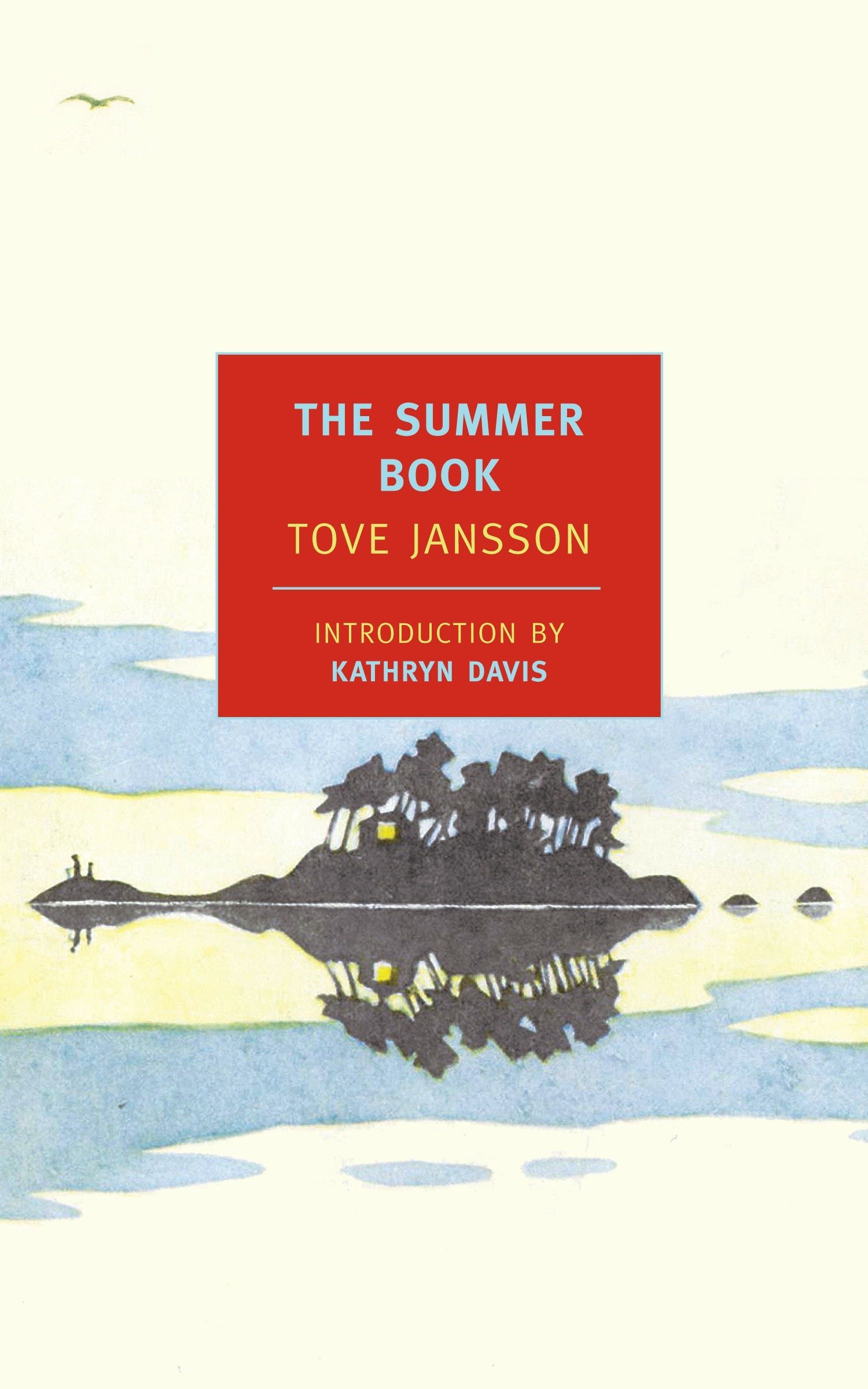
Review 2204: The Summer Book

The event that informs The Summer Book has already occurred before the novel starts—six-year-old Sophie’s mother has lately died. Sophie, her father, and grandmother travel early to an island on the Gulf of Finland where they spend their summers.

There isn’t much plot to his novel, which is mostly centered on Sophie and her grandmother. Sophie is changeable and sometimes anxious. Her grandmother, who is not in good health, is usually wise and responsive but can be irritable. In between tales of a visiting neighbor, the construction of a new road and a large, intrusive house, a haunted bathrobe, an unfriendly cat, the construction of a miniature Venice, and some massive storms, Jansson minutely describes the world of the island—the terrain, the insects and birds, the plants.

This is a lyrical novel that implies—most of them are unstated—some truths about life, death, and love.

Jansson spent most of her summers on such an island. She wrote this novel shortly after the death of her mother.

Related Posts

Moominsummer Madness

The True Deceiver

Abigail

Review 2060: Moominsummer Madness

I intended to read Moominsummer Madness for the 1954 Club last spring, but it didn’t arrive from the library in time. So, I read it when it did arrive.

The Moomin family are on holiday when a huge tidal wave floods the valley. Their house gets flooded and they end up taking refuge on what they think is a floating house but is actually a theater.

Moomintroll and his friend Snork Maiden are separated from the others when they camp out for the night in a tree and the theater is cut loose. And Little My also gets lost when she falls through a trap door.

I usually try to review children’s books in terms of how attractive they might be to both kids and adults. Kids like books with lots of silliness, which is probably why these books are so popular. They don’t have much internal logic, though. I thought the book was only slightly interesting.

Related Posts

The Mischievians

Tumford the Terrible

The Full Moon at Napping House

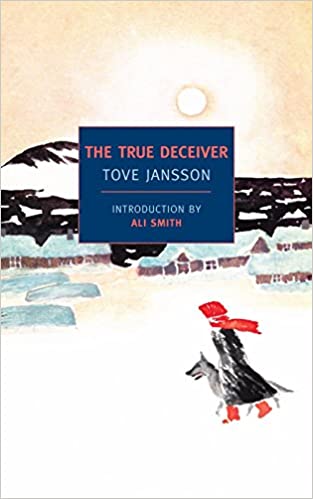
Review 2043: The True Deceiver

Katri and Mats Kling are village outcasts. Katri has strange yellow eyes, and although she is very intelligent, she is brusque and has no people skills. Mats, her younger brother, is more accepted but seems lacking intellectually and is treated like the village idiot.

Katri wants two things—to find a stable home for Mats and get enough money to build the boat he wants. To do so, she has her eye on Anna Aemelin, an elderly illustrator of children’s books who is known for her drawings of fluffy bunnies.

By offering to deliver Anna’s mail and supplies, Katri begins to strike up a relationship with Anna and is soon working in her house as a servant. Katri sees herself as scrupulously honest, and when she begins managing Anna’s finances, she sees that Anna is being cheated by almost everyone. But Anna doesn’t want to see some things.

This is an odd little book about deception and self-deception but also about an unusual kind of friendship. Katri is accompanied everywhere with a wolf-like dog, while Anna is compared to the fluffy bunnies covered in flowers that she draws all over her meticulous forest floorscapes. But by the end of the novel, the dog has run away, and Anna has stopped painting bunnies.

Related Posts

Lolly Willowes

Miss Plum and Miss Penny

Your Presence Is Requested in Suvanto