
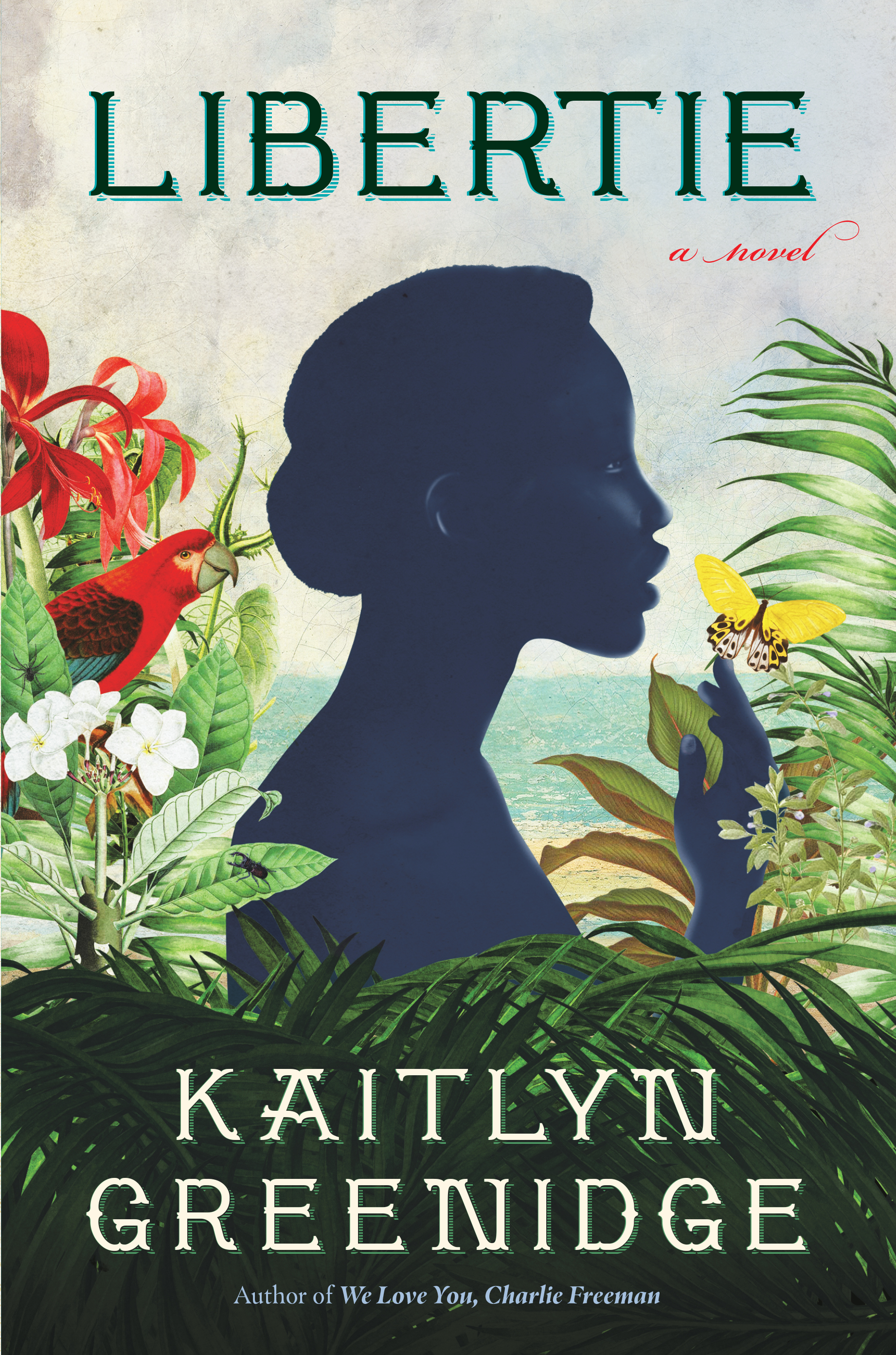
Libertie is an African-American girl growing up in pre-Civil War Brooklyn. Her mother, Mrs. Sampson, practices as a homeopath and has been training Libertie in the use of plants. Her great desire is for Libertie to study medicine and become the first African-American woman doctor.
But Libertie seems to be a person who only knows what she doesn’t want. She doesn’t want to study medicine, but her mother arranges a course of study for her at a college in Ohio for African-American students, without consulting her. She is the only girl in the science department. There she decides to punish her mother for sending her away by neglecting her studies. She spends her time trying to figure out how to fit in with one group or another and finally settles on girls nicknamed the Graces, two women with beautiful singing voices.
The novel is mostly concerned with the relationship between the two women—the mother constantly pushing, disapproving, eaten up with ambition for her daughter but with no regard for what her daughter wants, the daughter seeking approval but rebelling at the same time, with no ambitions for her own life. This relationship becomes even more difficult when Libertie comes home after a year at college, lying about her results, and meets Emmanuel Chase, her mother’s protégé from Haiti.
I was uncomfortable with this book, I think, partly because of its first-person point of view. I don’t like historical fiction that makes its heroines modern, and there is nothing 19th century about Libertie’s narrative, especially when it comes to sex. But even more than that, it didn’t help that neither Libertie nor her mother is a particularly appealing character or that all of Libertie’s life decisions are poor ones. A 21st century young person might fritter away the opportunity that her mother is struggling to provide her, for example, but I can’t imagine a 19th century one, with her knowledge of what her people have been through, would. Libertie behaves more like a spoiled 21st century child than someone who in the 19th century would be considered a young woman.
Finally, Greenidge says this novel was inspired by the first African-American woman doctor in the States, but I kept wondering who it was meant to be. Mrs. Sampson herself is not a qualified doctor, and Libertie purposefully sabotages her opportunity in pre-med.
I read this novel for my James Tait Black project.

 What? Me Read?
Shame. If this was supposed to be based on Rebecca Lee Crumpler, who was the first Black woman to earn a medical degree in the United States, I guess it missed the mark. Too bad, because I’d love to read a book about her.
Certainly no one earned a medical degree during the course of the book.
Ah… okay. Again, too bad.
One of my pet hates, when authors stick a character with 21st century attitudes into a historical novel. And it does seem weird to say it’s based on the first African-American female doctor and then have someone waste her opportunities.
Yes, it’s weird, and I didn’t get the impression that we were supposed to think she was going to go off to med school at the end of the novel, either.
Very odd!
Sounds like a missed opportunity to tell a story of a woman who must have lived a fascinating life!!
Thanks for sharing your review with the Historical Fiction Reading Challenge!
You’re welcome! Thanks for posting them!