The Best Book for this period is The Ten Thousand Things by Maria Dermoût!
Reviews, reviews, and more reviews

The Best Book for this period is The Ten Thousand Things by Maria Dermoût!

The Best Book for this period is The Marriage Portrait by Maggie O’Farrell! Also highly recommended is Lucy by the Sea by Elizabeth Strout!
We’re nearing the end of the series, here. There are only four more books to go. I enjoyed the surprise at the end of Never Too Late, even though it was understated. Thanks for anyone who joined me by commenting, and I appreciate the efforts of people to find the books.

Our next book is A Double Affair, and I’ll be posting my review on Friday, July 28. I hope someone can read along with me.
And here’s our badge.
The Best Book for this period is The Leviathan by Rose Andrews!
Classics Club has just announced another spin. How does the spin work? Club members select 20 books from their Classics Club list and post them in a numbered list by this coming Sunday, June 18. The club then picks a number and that determines which book you read next, attempting to post a review by Sunday, August 6. So, with no further adieu, here is my list for the spin:
Are you participating in the spin? Which book would from your list do you hope is picked?
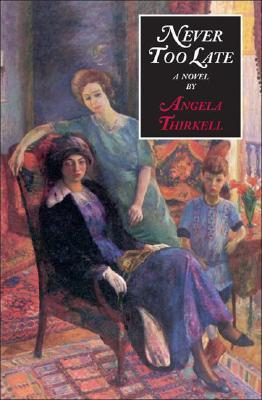
I only had one person with me for the last book, so I was hoping we had more participation for Enter Sir Robert, which Thirkell ended with a little inside joke, so I steamed on ahead and hoped that somebody would join me and two of my stalwarts did. For the last five books, I’m in uncharted territory, for I haven’t read any of them. In any case, my thanks to any who are still keeping up or making comments. They are
The next book is Never Too Late, and I’ll be posting my review on Friday, June 30. I hope someone will join me in finding out who is not too late and for what.
And here’s our emblem.
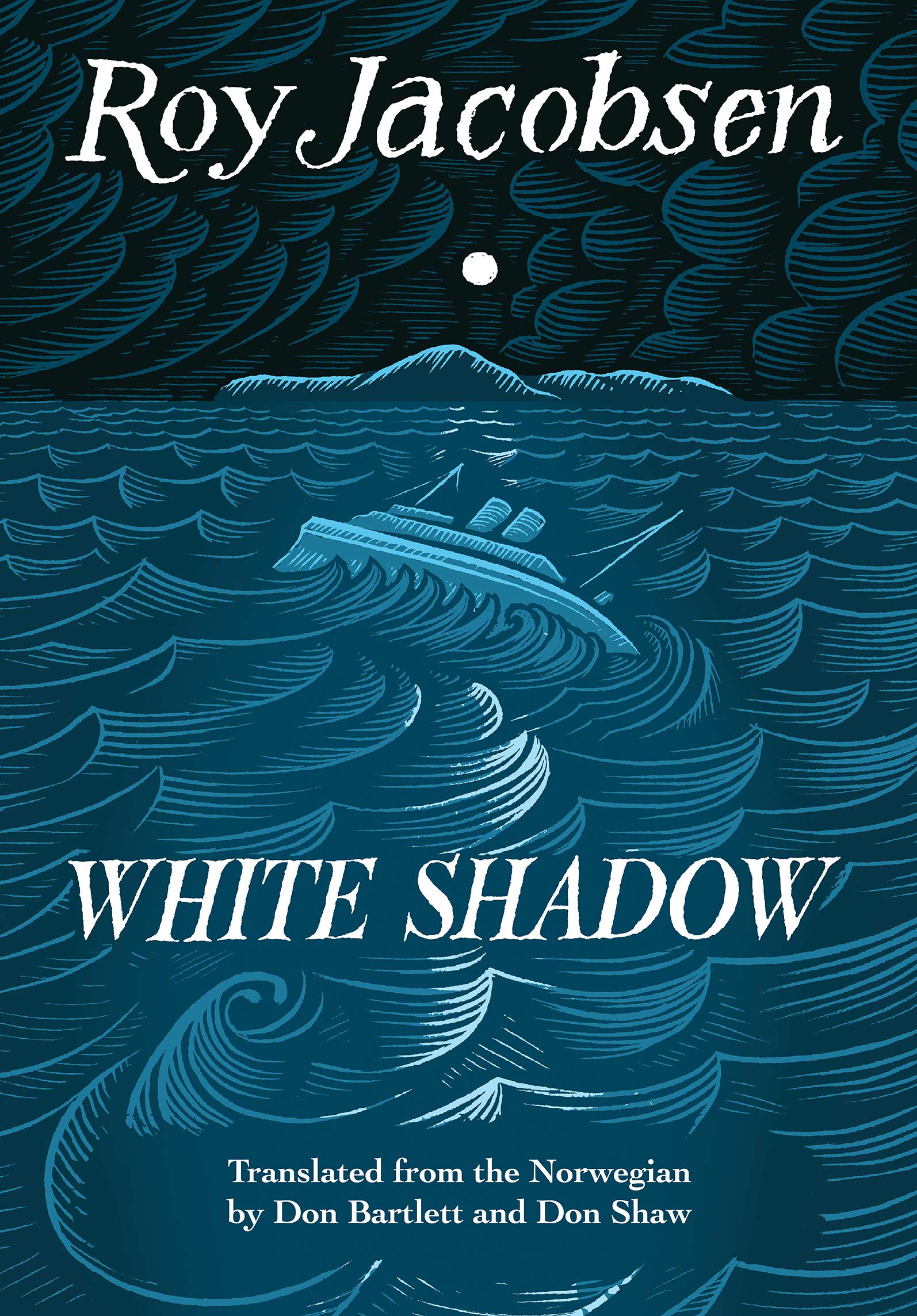
The Best Book for this period is White Shadow by Roy Jacobsen!
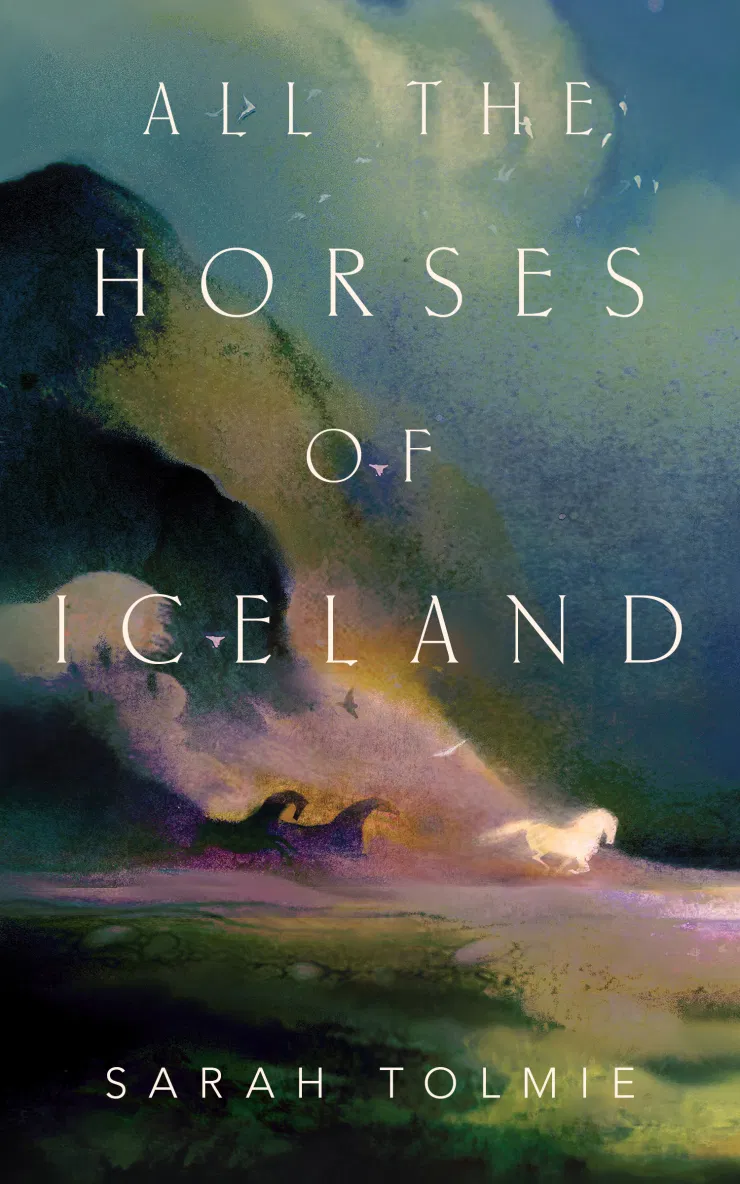
The Best Book for this period is All the Horses of Iceland by Sarah Tolmie!
With my review of The Deadman’s Pedal, I have finished reading the shortlisted books for the 2013 James Tait Black Fiction Prize. Therefore, it is time for my feature, where I decide whether the judges got it right. This year the shortlisted choices couldn’t be more different. They range from a very cerebral novel that traces a family history by imitating a classical bagpipe musical form to a less cerebral depiction of a deceptive personality to two novels about young people trying to find their way. Although all of these novels are about personal topics, I have ordered them in this paragraph from the most intellectually removed to the least.
The most cerebral of these novels is The Big Music by Kirsty Gunn. This novel traces relationships between fathers and sons by using a classical form of bagpipe music as its organizing structure. It is a form dependent on repetition and embellishment, so although I found this novel high in concept, it was also a bit fascinating. Still, the repetitions proved a bit much for me.
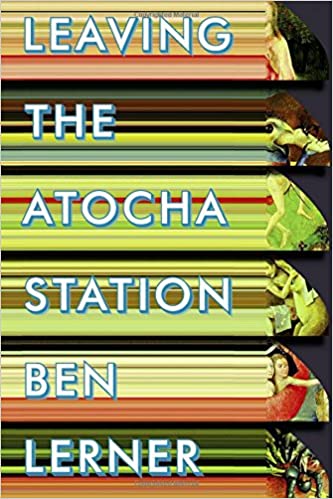
The next most cerebral of the novels is Leaving the Atocha Station by Ben Lerner. This is a novel about a poet who considers himself a fraud and spends his time arranging his face to look intelligent or thinking of profound things to say. The novel is funny at times, but I found myself getting lost in its logical circumlocutions and I strongly disliked the main character (not that that is necessarily bad).
At the beginning of the award-winning The Deadman’s Pedal, I found myself heartily disgusted by teenage boys and the love critics have for coming-of-age novels, those about boys, anyway. Then as the young Scottish protagonist went to work for the railroad, I got more interested until the book became mostly about adolescent sex.
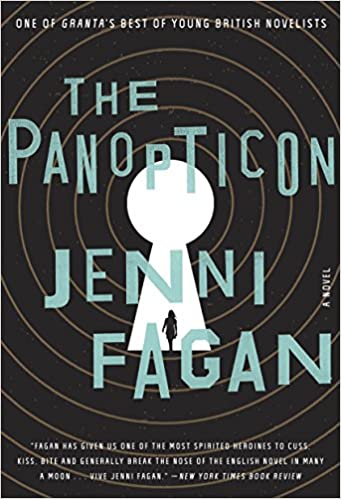
That leaves me with The Panopticon by Jenni Fagan, although I am not entire satisfied with my choice. I was absolutely rivetted by this story of a vivid young girl who has been failed by the system. However, I also believe that in some ways this book is slighter than some of the others. I will say, though, that of these four authors, Fagan is the only one whose other books I have looked for.

For the first time in the series, at the beginning of What Did It Mean?, I felt that the novel may not live up to the rest of the series. Eventually, though, it seemed to get back into the groove except for its obsession with a silly prophecy (hence the title), and I enjoyed it almost as much. My thanks to those who are still striving to keep up:
The next book is Enter Sir Robert, which is a reread for me, although so long ago that I can hardly remember it. It’s the last reread, though, so the rest of the series will be new to me. I’ll be reviewing it on Wednesday, May 31. I hope some people will join me!
And here’s out little emblem.
Book reviews of mainly modern & contemporary fiction
Writer and Historian
There is nothing more satisfying than reading a book while sipping a hot cup of tea.
A historical fiction book blog
Emerging as an artist
Liz Dexter muses on freelancing, reading, and running ...
For mostly adult, literary, fiction; focusing on historical, contemporary, biographical, and women.
"Well, there’s so much to read, and I’m so far behind." Wallace Stegner
Read to live and live to read
A bookish blog (mostly) about women writers of the nineteenth and twentieth centuries
A Celebration of Russian Literature
Reading: it's personal
Based in Romania, reading all over the world. Mostly fiction, some memoires and a little bit of poetry.
Adam Burgess
"Vivre le livre!"
"History is a vast early warning system." Norman Cousins
Scottish Book Blogger
"She had read novels while other people perused the Sunday papers" - Mary Elizabeth Braddon
A word after a word after a word is power. --Margaret Atwood
Books • Opera • Art • History
FOR DISCERNING READERS
Your online source for Jane Austen and her legacy
A Community of Classics Lovers
A blog about Irish books, writers, writing and everything in between.
 What? Me Read?