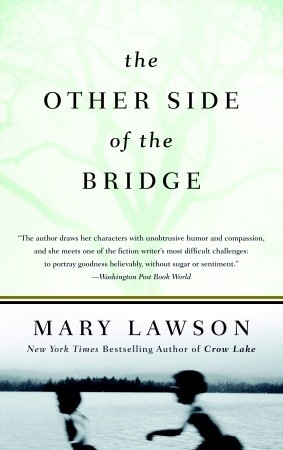
The Best Book for this period is The Other Side of the Bridge by Mary Lawson!
Reviews, reviews, and more reviews

The Best Book for this period is The Other Side of the Bridge by Mary Lawson!

It’s my 11th anniversary for this blog, and as is my habit, I am using it to post my top ten books of the year. This year’s books are all fiction, which isn’t unusual. What is unusual is that six of them are historical novels, and a few others are partially historical. Only one is set in the current time (the other nonhistorical novels in the recent past). Of the historical novels, most are set in the 20th century, but one each is set in the 16th, 17th, and 18th centuries. Five of the books are by women, five by men, and two involve the supernatural. Four books are set in the United States, two in Scotland, and one each in Australia, Madagascar, France, and an island in the Indian Ocean off what would become Australia.
This year’s choice was difficult, because I read some really good books, but here they are, in the order in which I posted the reviews:
Here’s wishing you a year of happy reading!
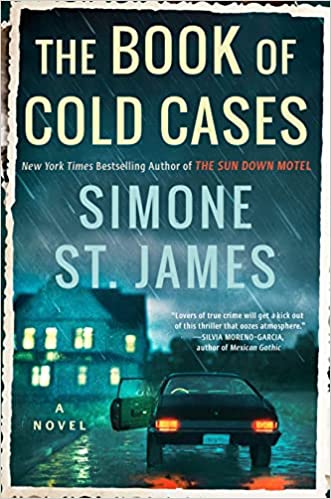
The Best Book for this period is The Book of Cold Cases by Simone St. James!
Again, I had fun revisiting old friends and meeting new ones in County Chronicle. I thank anyone who has had time to send in a comment. They are

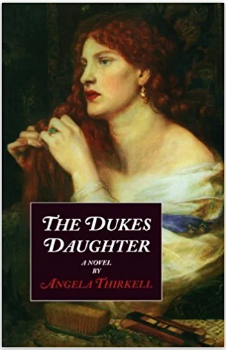
The next book is The Duke’s Daughter, which I will be reviewing on Tuesday, January 31. If you get a chance to read the book or have read it or just have something to say, pop in and make a comment. And here’s our little badge.
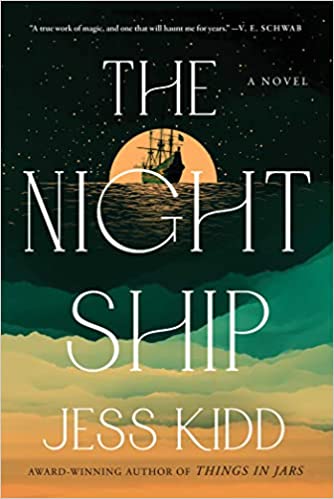
The Best Book for this period is The Night Ship by Jess Kidd!

The Best Book for this period is To Paradise by Hanya Yanagihara!
The Classics Club has announced another spin. How does this work? Classics club members select 20 books from their lists and post a numbered list of those choices by Sunday, December 11. On Sunday, Classics Club picks a number, and the club member agrees to try to read the book corresponding to that number and post a review by Sunday, January 29, 2023.
I enjoy taking part in these spins, so here is my list!
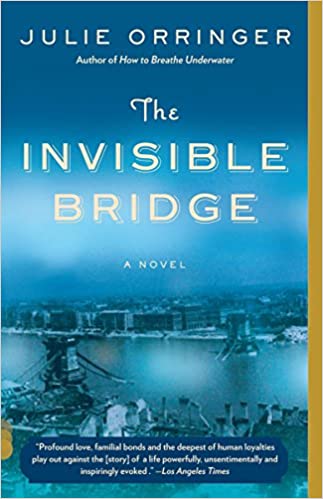
The Best Book for this period is The Invisible Bridge by Julie Orringer!
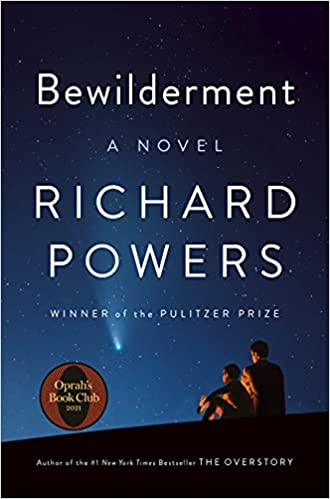
The Best Book for this period is Bewilderment by Richard Powers!
Thanks to my stalwarts who participated by commenting, even though one was unable to get a copy of Love Among the Ruins this month. They are
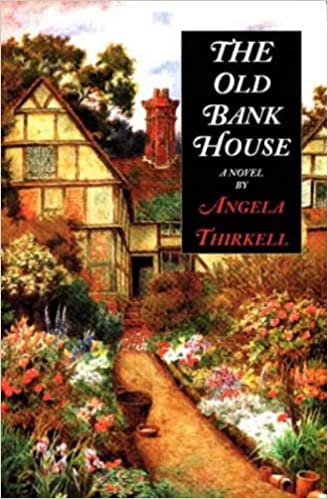
Our next book is The Old Bank House. Yes, I’m going to the bitter end, even if no one can follow. So far, it has not been painful. I am posting my review on Wednesday, November 30. I hope a few of you will pop in and join me in reading it or some of the others coming up.
And here’s our badge.
Book reviews of mainly modern & contemporary fiction
Writer and Historian
There is nothing more satisfying than reading a book while sipping a hot cup of tea.
A historical fiction book blog
Emerging as an artist
Liz Dexter muses on freelancing, reading, and running ...
For mostly adult, literary, fiction; focusing on historical, contemporary, biographical, and women.
"Well, there’s so much to read, and I’m so far behind." Wallace Stegner
Read to live and live to read
A bookish blog (mostly) about women writers of the nineteenth and twentieth centuries
A Celebration of Russian Literature
Reading: it's personal
Based in Romania, reading all over the world. Mostly fiction, some memoires and a little bit of poetry.
Adam Burgess
"Vivre le livre!"
"History is a vast early warning system." Norman Cousins
Scottish Book Blogger
"She had read novels while other people perused the Sunday papers" - Mary Elizabeth Braddon
A word after a word after a word is power. --Margaret Atwood
Books • Opera • Art • History
FOR DISCERNING READERS
Your online source for Jane Austen and her legacy
A Community of Classics Lovers
A blog about Irish books, writers, writing and everything in between.
 What? Me Read?