
 Although The Snow Queen is marketed as Michael Cunningham’s reworking of the classic fairy tale, the novel actually alludes to it more than rewrites it. Tyler Meek gets an ice crystal in his eye as does the main character of the fairy tale, so we know he will not be able to see clearly. The Snow Queen herself is the drugs Tyler takes.
The novel begins with Tyler’s younger brother Barrett walking home through a snowstorm. He has just been dumped by his lover by means of an abrupt text and is wondering what he did wrong. In his mid-40’s, Barrett, although a Yale graduate who had a seemingly bright future before him, has been unable to settle to any one thing. He has lost his apartment and now lives with Tyler and his girlfriend Beth and works as a clerk in a store.
Barrett notices an odd light above him in the sky and feels that it is looking back at him. This experience seems so extraordinary to him that he half fears he imagined it and doesn’t at first tell anyone about it.
At home, Tyler awakes to find the room full of snow because he and Beth left the window open. Tyler, Beth, and Barrett live in an ugly apartment in a shabby neighborhood in New York City. Tyler’s dreams of being a musician have ended with him working as a bartender and being allowed to play a couple of nights a week.
Tyler is trying to write a song for Beth for their wedding. Beth has liver cancer, and she presently is getting no better or worse. Tyler obsesses with the song and with the impending 2004 re-election of George Bush rather than trying to get himself off drugs, as he promised Beth. Now, he has begun lying about the drugs.
For a few months, Beth gets better. Barrett attributes her recovery in some part to his exchange with the light and begins attending church. Tyler, who has been good at taking care of Beth, feels a bit like he has lost his purpose.
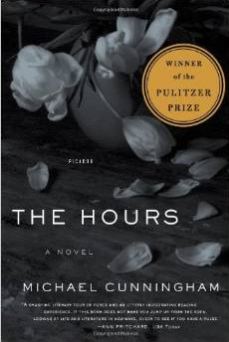
Cunningham has written an intimate portrait of the two brothers in his masterly style. He forces us to examine our notions about success and failure and insightfully depicts Tyler’s growing dependence on the drugs. However, the story about the brothers and their friends isn’t really compelling, and the female characters are deficient. Beth is a palely drawn angel, and the only other important female character, Liz, looks too much like her opposite. Other characters seem to be there just to populate the novel. After the stunning The Hours, I found The Snow Queen disappointing.
 What? Me Read?